Pacemaker Implantation in Bali | HKAM Heart Care
Pacemaker Implantation in Bali – If you or a family member has been diagnosed with a slow heartbeat or a heart rhythm disorder, pacemaker implantation may help regulate the heartbeat when medically indicated.
At HK Asia Medical Group (HKAM), our Sapporo Cardio Vascular Clinic (SCVC) Indonesia provides specialised cardiac care at Bali International Hospital, with evaluation and treatment planning tailored to each patient.
Our cardiology team assesses your condition, explains suitable treatment options, and helps you understand what to expect before and after pacemaker implantation in Bali.
What Is a Pacemaker and How Does It Work?
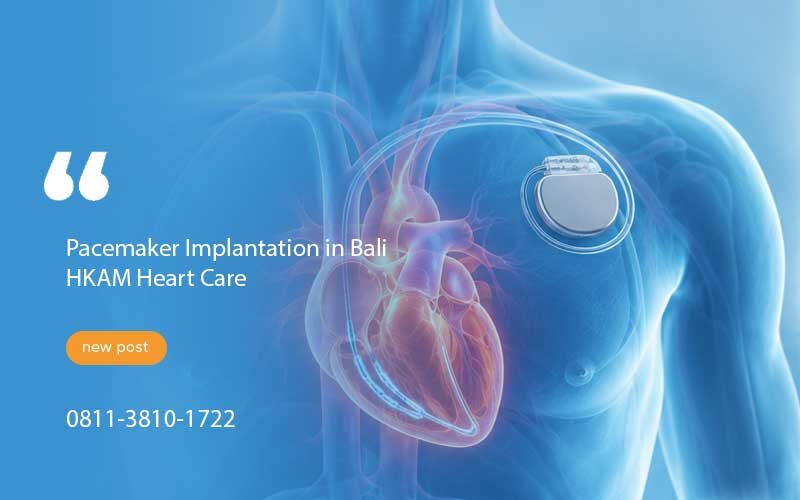
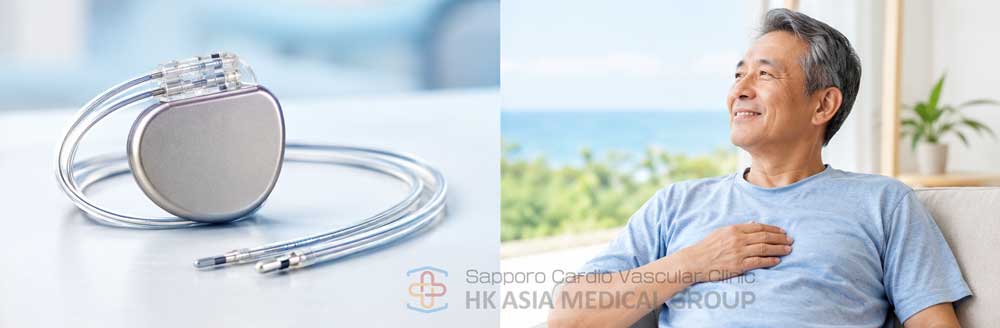
A pacemaker is a small electronic device implanted under the skin to help control an abnormally slow heartbeat. It sends electrical impulses to the heart when needed, supporting a more appropriate heart rate.
Depending on the patient’s condition, a pacemaker may use one or more leads, or a leadless design that sits inside the heart.
The device does not treat every type of arrhythmia. Your cardiologist will determine whether a pacemaker is appropriate based on your symptoms, heart rhythm recordings, medical history, and diagnostic findings.
Who May Need Pacemaker Implantation?
A cardiologist may recommend a pacemaker for patients whose heart rhythm is too slow or whose electrical signals do not travel properly through the heart.
Common indications include:
- Bradycardia: A heart rate that is too slow and causes symptoms or affects circulation.
- Heart block: A delay or interruption in the electrical signals between the heart’s chambers.
- Sinus node dysfunction: A problem with the heart’s natural pacemaker that affects heart rate.
- Selected cases of heart failure: Certain patients may benefit from cardiac resynchronisation therapy (CRT), a specialised device-based treatment.
Not everyone with a low heart rate needs a pacemaker. The decision depends on the underlying cause, symptoms, test results, and clinical guidelines.
Pacemaker Implantation in Bali
How Is Pacemaker Implantation Performed?
Pacemaker implantation depends on the device type and the patient’s medical condition. For a conventional pacemaker, the procedure generally involves the following steps:
- Anaesthesia and incision: The cardiologist uses local anaesthesia, sometimes with sedation, and makes a small incision near the collarbone.
- Lead placement: One or more leads are guided through a vein into the heart.
- Device implantation: The pacemaker generator is placed under the skin, usually near the collarbone.
- Device testing: The team checks the lead position and pacemaker function before closing the incision.
What about a leadless pacemaker?
This device follows a different technique. It is usually inserted through a vein in the groin and positioned directly inside the heart, without conventional leads.
Your cardiologist will recommend the most suitable approach based on your heart rhythm, medical history, and diagnostic results.
What Are You Waiting For?
Discuss your heart rhythm issues with our cardiology team and learn about treatment options for pacemaker implantation in Bali.
Contact HKAM Admin: 0811-3810-1722
What Happens Before the Procedure?
Before recommending implantation, the cardiology team reviews your symptoms, medical history, current medications, and previous heart investigations.
Depending on your condition, the assessment may include an electrocardiogram (ECG), ambulatory heart rhythm monitoring, blood tests, or an echocardiogram.
Bring your previous test results, medication list, allergy information, and relevant medical records to your consultation.
Tell your doctor if you take blood-thinning medication or have a history of bleeding, infection, or reactions to medical devices. Do not stop prescribed medication unless your treating team instructs you to do so.
How Long Does Pacemaker Implantation Take?
A conventional pacemaker implantation commonly takes around 1 hour, although more complex cases or additional procedures can take longer. The total time at the hospital will also include preparation, anaesthesia or sedation, post-procedure monitoring, and device checks.
The actual duration at SCVC Indonesia will depend on the type of device, the patient’s condition, and the treating cardiologist’s assessment. Please confirm the expected procedure and admission schedule during consultation.
What Are the Different Types of Pacemakers?
The appropriate device depends on the patient’s rhythm disorder, heart function, and treatment goals.
| Device type | Main purpose |
| Single-chamber pacemaker | Uses one lead to stimulate one heart chamber, typically the right ventricle. |
| Dual-chamber pacemaker | Uses leads to coordinate electrical activity between the right atrium and right ventricle. |
| Leadless pacemaker | A compact device implanted directly inside the heart without conventional leads. |
| Cardiac resynchronisation therapy (CRT) | Helps coordinate the contraction of the heart’s ventricles in selected patients, often those with heart failure. |
An implantable cardioverter-defibrillator (ICD) is a different device designed to detect and treat certain dangerous heart rhythms.
Although some devices combine functions, an ICD is not interchangeable with a standard pacemaker.
What Are the Risks of Pacemaker Implantation?
Pacemaker implantation is an established cardiac procedure, but complications can occur.
Possible risks include bleeding, infection, bruising, blood vessel injury, a lead moving out of position, or air accumulating around the lung. Less commonly, complications may require another procedure or device revision.
Your individual risk depends on your medical condition, medications, anatomy, and the type of device being implanted.
Before the procedure, ask your cardiologist about the risks that apply to you, how complications are managed, and what symptoms require urgent medical attention.
How Long Is Recovery After Pacemaker Implantation?
Many patients remain in the hospital overnight for observation and device checks, although the length of stay varies. Mild soreness or bruising near the implant site can occur during the initial recovery period.
Follow your medical team’s instructions for wound care, bathing, medication, and physical activity. You may need to avoid heavy lifting and strenuous movements involving the implant-side arm for several weeks.
Attend all follow-up appointments so the team can check the wound, review symptoms, and assess device function.
Can International Patients Have Pacemaker Implantation in Bali?
Patients travelling to Bali for cardiac treatment should arrange a consultation before confirming flights or accommodation. Our team can review available medical records and advise on the next steps for assessment and treatment planning.
After implantation, the treating cardiologist must determine when it is safe to travel. This decision depends on recovery, wound condition, device function, and any complications.
International patients should also arrange follow-up care with a cardiologist near their home and confirm how device checks will be managed after returning home.
Read also: TEER Treatment in Bali
Why Choose HKAM for Pacemaker Implantation in Bali?
-
Specialised Arrhythmia Care
Access cardiac care focused on heart rhythm disorders through SCVC Indonesia.
-
Electrophysiology Expertise
Consult a specialist team experienced in evaluating cardiac electrical disorders.
-
Bali International Hospital Location
Receive care at SCVC Indonesia, located within Bali International Hospital.
-
Individualised Treatment Planning
Explore treatment options based on your symptoms, medical history, and diagnostic results.
-
Comprehensive Heart Rhythm Assessment
Identify the underlying rhythm problem before determining whether pacemaker implantation is appropriate.
-
Pacemaker Options Guidance
Understand the differences between conventional and leadless pacemakers when clinically suitable.
-
Pre-Procedure Consultation
Discuss preparation, medication considerations, and the expected steps before implantation.
-
Risk and Recovery Guidance
Learn about potential complications, wound care, activity restrictions, and follow-up needs.
-
International Patient Considerations
Discuss medical records, travel planning, and post-treatment follow-up before travelling to Bali.
-
Direct Appointment Enquiries
Contact HKAM to ask about consultation availability, treatment suitability, and estimated procedure costs.
Book a Pacemaker Consultation in Bali
If you have been advised to consider a pacemaker or want a specialist opinion about a heart rhythm disorder, contact HKAM’s SCVC Indonesia team to discuss your medical records and arrange a consultation.
Our cardiology team can help you understand your options and the next steps for pacemaker implantation in Bali.
Contact HKAM Admin: 0811-3810-1722