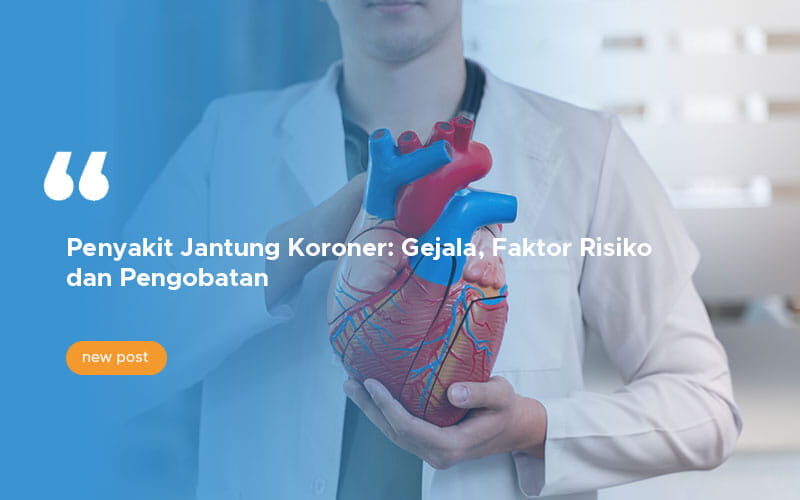
Penyakit Jantung Koroner: Gejala, Faktor Risiko, dan Pengobatan
Penyakit jantung koroner adalah kondisi ketika arteri koroner, yaitu pembuluh darah yang memasok oksigen dan nutrisi ke otot jantung, mengalami penyempitan atau gangguan aliran darah. Penyebab yang umum adalah aterosklerosis, proses penumpukan plak yang mengandung kolesterol, lemak, sel, dan zat lain pada dinding arteri. Ketika aliran darah tidak mampu memenuhi kebutuhan otot jantung, seseorang dapat mengalami nyeri dada atau angina. Jika aliran darah terputus secara mendadak, kondisi tersebut dapat memicu serangan jantung.
Penyakit ini bisa berkembang selama bertahun-tahun tanpa gejala yang jelas. Karena itu, mengenali faktor risiko dan melakukan pemeriksaan yang tepat merupakan bagian penting dari pencegahan. Artikel ini menjelaskan gejala yang mungkin muncul, faktor yang meningkatkan risiko, serta pilihan diagnosis dan pengobatan berdasarkan informasi dari lembaga kesehatan tepercaya.
Apa yang Terjadi pada Pembuluh Darah Koroner?
Arteri koroner berada di permukaan jantung dan memasok darah ke otot jantung. Pada aterosklerosis, plak berkembang di dinding arteri sehingga ruang untuk aliran darah menyempit dan pembuluh menjadi kurang lentur. Ketika seseorang beraktivitas atau mengalami stres, jantung membutuhkan lebih banyak oksigen. Arteri yang menyempit mungkin tidak mampu meningkatkan aliran darah secukupnya, sehingga timbul rasa tertekan atau nyeri di dada.
Risiko menjadi lebih besar apabila permukaan plak pecah atau terkikis. Tubuh dapat membentuk bekuan darah di lokasi tersebut, yang berpotensi menyumbat arteri sebagian atau seluruhnya. Sumbatan mendadak dapat menyebabkan serangan jantung dan kerusakan otot jantung. Tingkat keparahan gejala tidak selalu sebanding dengan tingkat bahaya, dan sebagian orang mengalami penyakit koroner tanpa keluhan sampai terjadi komplikasi.
Gejala Penyakit Jantung Koroner
Gejala berbeda pada setiap orang. Angina sering digambarkan sebagai rasa tertekan, berat, diremas, sesak, atau terbakar di dada. Rasa tidak nyaman dapat menjalar ke lengan, bahu, punggung, leher, rahang, atau ulu hati. Gejala mungkin muncul ketika berjalan cepat, menaiki tangga, atau melakukan aktivitas yang meningkatkan kebutuhan oksigen, kemudian mereda saat beristirahat.
Keluhan lain meliputi napas pendek, keringat dingin, mual, pusing, lemah, atau kelelahan yang tidak biasa. Pada sebagian perempuan, orang lanjut usia, dan penderita diabetes, gejala dapat kurang khas; nyeri dada mungkin tidak menonjol. Penyakit jantung koroner juga dapat tidak menimbulkan gejala yang disadari. Oleh sebab itu, tidak adanya nyeri dada bukan jaminan bahwa pembuluh koroner sehat.
Nyeri atau tekanan dada yang baru, berat, menetap, muncul saat istirahat, atau disertai sesak, keringat dingin, mual, atau pingsan harus dianggap sebagai kemungkinan keadaan darurat. Segera hubungi layanan darurat setempat dan jangan menyetir sendiri ke rumah sakit bila dicurigai serangan jantung.
Faktor Risiko yang Perlu Anda Perhatikan
Sejumlah faktor meningkatkan kemungkinan penyakit jantung koroner. Faktor yang dapat dimodifikasi mencakup merokok, tekanan darah tinggi, kadar kolesterol LDL tinggi, diabetes, berat badan berlebih, kurang aktivitas fisik, pola makan tinggi lemak jenuh atau trans, serta konsumsi alkohol yang berlebihan. Penyakit ginjal kronis dan gangguan tidur tertentu juga dapat berkaitan dengan peningkatan risiko.
Faktor yang tidak dapat diubah meliputi bertambahnya usia, riwayat keluarga dengan penyakit jantung dini, dan faktor genetik. Risiko biasanya meningkat ketika beberapa faktor hadir bersamaan. Sebagai contoh, seseorang yang merokok sekaligus memiliki hipertensi dan diabetes memerlukan penilaian risiko yang menyeluruh, bukan hanya melihat satu hasil laboratorium. Mengelola faktor risiko sejak dini bermanfaat bahkan ketika seseorang belum mengalami gejala.
SCVC Hadir untuk Memeriksa Penyakit Jantung Koroner
Dokter SCVC akan menilai sifat keluhan, riwayat kesehatan pribadi dan keluarga, tekanan darah, kebiasaan merokok, serta faktor risiko lain. Pemeriksaan darah dapat mencakup profil lipid dan gula darah. EKG merekam aktivitas listrik jantung, sedangkan tes darah tertentu digunakan bila serangan jantung dicurigai. Ekokardiografi dapat membantu menilai struktur dan fungsi pompa jantung.
Sesuai kondisi, dokter dapat merekomendasikan tes latihan atau tes stres dengan pencitraan, CT angiografi koroner, atau angiografi koroner invasif. Tes-tes tersebut tidak diperlukan untuk semua orang. Pemilihan pemeriksaan mempertimbangkan gejala, tingkat risiko, hasil pemeriksaan awal, dan kemungkinan manfaat daripada risiko. Hasil pemeriksaan perlu ditafsirkan oleh tenaga medis; tes mandiri atau satu angka kolesterol saja tidak dapat memastikan ada atau tidaknya sumbatan koroner.
Pengobatan Penyakit Jantung Koroner oleh SCVC
Pengobatan bertujuan mengurangi gejala, menurunkan risiko serangan jantung, dan menjaga fungsi jantung. Perubahan gaya hidup menjadi fondasi, termasuk berhenti merokok, memilih makanan yang mendukung kesehatan jantung, bergerak secara teratur sesuai kemampuan, serta mengendalikan tekanan darah, gula darah, dan kolesterol.
Dokter dapat meresepkan obat sesuai kondisi, seperti statin untuk menurunkan LDL dan mengurangi risiko kejadian kardiovaskular, obat antiplatelet bagi pasien tertentu, nitrat untuk meredakan angina, beta-blocker, atau obat lain. Obat antiplatelet tidak cocok untuk semua orang karena risiko perdarahan dan kebutuhan tiap pasien berbeda. Jangan memulai aspirin atau obat jantung sendiri tanpa saran medis.
Jika penyempitan menyebabkan gejala berat atau terdapat kondisi akut, prosedur seperti intervensi koroner perkutan (angioplasti dengan pemasangan stent) dapat dipertimbangkan. Sebagian pasien memerlukan operasi bypass arteri koroner. Pilihan antara obat, stent, dan operasi bergantung pada anatomi pembuluh, tingkat keparahan penyakit, gejala, serta kondisi kesehatan secara keseluruhan. Rehabilitasi jantung juga dapat membantu pemulihan dan mendukung perubahan perilaku jangka panjang.
FAQ
Apakah penyakit jantung koroner bisa terjadi tanpa gejala?
Ya. Sebagian orang tidak menyadari gejala sampai terjadi komplikasi. Penilaian risiko dan pemeriksaan sesuai anjuran dokter membantu mengidentifikasi risiko lebih awal.
Apakah semua sumbatan koroner harus dipasang stent?
Tidak. Sebagian pasien ditangani dengan obat dan perubahan gaya hidup, sedangkan yang lain mungkin memerlukan stent atau operasi bypass. Keputusan bergantung pada kondisi klinis dan hasil pemeriksaan.
Apakah kolesterol normal berarti bebas dari penyakit jantung koroner?
Tidak sepenuhnya. Risiko dipengaruhi banyak faktor, termasuk tekanan darah, diabetes, merokok, usia, dan riwayat keluarga.
Konsultasikan Terkait Keluhan Jantung Disini
Jika Anda merasa memiliki permasalahan dan rasa yang tidak nyaman pada jantung, segera konsultasikan pada dokter spesialis jantung kami untuk mendapatkan penanganan yang tepat.
Heart Failure Treatment in Bali – If you are experiencing shortness of breath, persistent fatigue, or swelling in your legs, a heart assessment can help identify the underlying cause. At HK Asia Medical Group (HKAM), we provide specialised cardiovascular care through Sapporo Cardio Vascular Clinic (SCVC) Indonesia at Bali International Hospital.
Our team evaluates each patient’s condition before discussing appropriate treatment options. This ensures that patients with suspected or diagnosed heart failure understand the next steps in their care.
What Is Heart Failure and How Is It Treated?
Heart failure occurs when the heart cannot pump blood effectively enough to meet the body’s needs or fill with blood properly.
It does not mean that the heart has completely stopped working. The condition can develop gradually or worsen suddenly, depending on its underlying cause and severity.
Treatment aims to relieve symptoms, improve daily functioning, reduce hospital admissions, and manage the underlying heart condition. Depending on the patient’s needs, care may involve medication, lifestyle adjustments, cardiac devices, catheter-based procedures, or heart surgery.
What Are the Signs That You May Need Heart Failure Treatment?
Heart failure symptoms can develop gradually and may resemble those of other medical conditions.
A cardiology assessment can help determine whether your symptoms are related to heart failure or another problem.
Watch for these common warning signs:
Shortness of breath: Difficulty breathing during activity or when lying flat.
Persistent fatigue: Feeling unusually tired during routine activities.
Swelling in the legs or ankles: Fluid accumulation that may become more noticeable throughout the day.
Rapid weight gain: A sudden increase in weight that may indicate fluid retention.
Reduced exercise tolerance: Finding it increasingly difficult to walk, climb stairs, or complete daily tasks.
Persistent coughing: A cough that may worsen when lying down, sometimes accompanied by breathlessness.
When is it an emergency?
Severe or sudden shortness of breath, chest pain, fainting, or blue or grey lips require immediate emergency medical assessment. Do not wait for a routine appointment if these symptoms occur.
What Causes Heart Failure?
Heart failure can result from several conditions that weaken the heart muscle, increase its workload, or interfere with normal filling and pumping.
Common underlying causes include:
Underlying condition
How it affects the heart
Coronary artery disease
Reduced blood supply can damage the heart muscle.
Previous heart attack
Damaged heart tissue may reduce pumping function.
High blood pressure
Persistent pressure overload can cause structural changes in the heart.
Heart valve disease
Abnormal valves can make the heart work harder or disrupt blood flow.
Cardiomyopathy
Disease of the heart muscle can affect its ability to pump or relax.
Heart rhythm disorders
Abnormally fast, slow, or irregular rhythms may impair cardiac function.
Identifying the underlying cause is an important part of treatment planning. Some causes can be treated directly, while others require long-term management to control symptoms and reduce further damage.
Heart Failure Treatment in Bali
How Do We Evaluate Heart Failure at HKAM?
At SCVC Indonesia, our approach begins with understanding the patient’s symptoms, medical history, and current heart function before discussing a treatment plan.
The assessment may include:
Cardiology consultation: Reviewing symptoms, medical history, current medications, and relevant risk factors.
Electrocardiogram (ECG): Recording the heart’s electrical activity to identify rhythm abnormalities and other findings.
Echocardiography: Using ultrasound to assess heart structure, pumping function, and valve function.
Blood tests: Checking relevant markers and assessing factors that may contribute to symptoms or affect treatment.
Additional cardiac investigations: Depending on the findings, the cardiologist may recommend further imaging or other tests to clarify the diagnosis.
Not every patient needs every test. The cardiologist determines which investigations are appropriate based on the clinical assessment.
What Treatment Options Are Available for Heart Failure?
Heart failure treatment depends on the underlying cause, the heart’s pumping function, symptom severity, and other medical conditions.
Our team can assess the available options and determine whether medication, a procedure, or a combination of treatments should be considered.
Medication and Medical Management
Medication is an important part of managing many types of heart failure. Depending on the patient’s condition, treatment may include medicines that support heart function, reduce fluid retention, control blood pressure, or manage related cardiovascular conditions.
Some patients require several medications with carefully adjusted doses. Regular follow-up helps the treating team monitor symptoms, blood pressure, kidney function, electrolyte levels, and treatment tolerance.
Cardiac Devices
Selected patients may benefit from an implanted cardiac device.
Cardiac resynchronisation therapy (CRT): Helps coordinate ventricular contractions in eligible patients with heart failure and specific electrical conduction abnormalities.
Implantable cardioverter-defibrillator (ICD): Detects and treats certain dangerous heart rhythms in patients who meet clinical criteria.
These devices are not suitable for every patient with heart failure. A cardiologist evaluates heart function, rhythm findings, medical history, and guideline-based indications before recommending implantation.
Catheter-Based Procedures and Heart Surgery
When heart failure is associated with coronary artery disease or structural heart problems, treating the underlying condition may be necessary.
Depending on the diagnosis, options may include coronary intervention, valve procedures, or heart surgery.
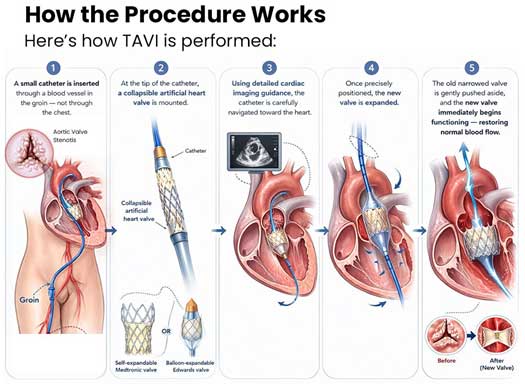
Some patients with significant mitral valve leakage may be considered for a transcatheter edge-to-edge repair (TEER), while selected patients with severe aortic valve disease may be assessed for transcatheter aortic valve implantation (TAVI).
These procedures address specific underlying conditions rather than heart failure in every patient. Our cardiology team can assess whether further specialist evaluation is appropriate.
How Does the Heart Failure Treatment Process Work?
Treatment usually involves several stages rather than a single procedure. The exact pathway depends on the patient’s symptoms, test results, and medical stability.
Stage
What to expect
Initial consultation
Discuss symptoms, medical history, and previous diagnoses.
Diagnostic assessment
Complete the tests recommended by the cardiologist.
Treatment planning
Review suitable medication, procedures, or device options.
Treatment and monitoring
Begin the agreed treatment and monitor the clinical response.
Follow-up care
Review symptoms, medication tolerance, and heart function as needed.
For patients with acute or worsening heart failure, immediate hospital assessment may be necessary. Treatment should not be delayed while waiting for a routine outpatient appointment if symptoms are severe.
How Much Does Heart Failure Treatment Cost in Bali?
The cost depends on the type of care required. An outpatient consultation and diagnostic assessment generally cost less than hospital admission, advanced cardiac procedures, or surgery.
Your total treatment cost may depend on:
Cardiologist consultation and diagnostic tests.
Medication and follow-up appointments.
Hospital admission and monitoring, if required.
Cardiac devices or catheter-based procedures.
Surgery and post-procedure rehabilitation, when indicated.
We recommend contacting our team for a cost estimate based on your symptoms, diagnosis, and proposed treatment plan.
An individual estimate is more useful than a single advertised price because heart failure treatment can involve very different levels of care.
Heart failure often requires ongoing management even when symptoms improve. Following the treatment plan and attending follow-up appointments can help the medical team identify changes early.
Practical steps may include:
Take medication as prescribed: Do not change doses or stop treatment without medical advice.
Monitor symptoms and weight: Report sudden weight gain, increasing swelling, or worsening breathlessness to your care team.
Follow dietary guidance: Your doctor may recommend limits on sodium or fluid intake, depending on your condition.
Stay physically active when appropriate: Follow an activity plan recommended by your treating team.
Attend regular follow-ups: Your medication, kidney function, blood pressure, and heart function may need periodic reassessment.
There is no single lifestyle plan suitable for every patient. Your cardiologist should individualise recommendations according to the severity of heart failure, other medical conditions, and treatment response.
Why Choose HKAM for Heart Failure Treatment in Bali?
Through SCVC Indonesia at Bali International Hospital, we provide cardiovascular care supported by specialist assessment, diagnostic evaluation, and multidisciplinary treatment planning.
Here is what patients can discuss with our team:
Specialist cardiovascular assessment
Review symptoms and clinical findings with a cardiology team.
Multidisciplinary care
Treatment decisions can involve relevant cardiovascular specialists according to the patient’s needs.
Diagnostic-led planning
Recommendations are based on clinical assessment and appropriate investigations.
Structural heart expertise
Our published service information includes specialised care for selected structural heart conditions.
Interventional cardiology
Patients can discuss whether a catheter-based procedure may be appropriate for an underlying cardiovascular problem.
Cardiac surgery services
Surgical assessment may be considered when the diagnosis and clinical indications warrant it.
Individualised treatment decisions
Treatment options are matched to the patient’s diagnosis, heart function, and overall health.
Clear clinical explanations
Patients can discuss the purpose, expected benefits, and potential risks of proposed treatment.
Hospital-based cardiovascular care
SCVC Indonesia is located within Bali International Hospital.
Consultation coordination: Contact our team to ask about appointments, available assessments, and the next steps in your care.
Not every treatment or procedure is necessary or appropriate for every patient. The recommended approach depends on the cardiologist’s findings and the services available for the individual case.
What Are You Waiting For?
Discuss your symptoms with our cardiology team and explore personalised care options for heart failure treatment in Bali.
Pacemaker Implantation in Bali – If you or a family member has been diagnosed with a slow heartbeat or a heart rhythm disorder, pacemaker implantation may help regulate the heartbeat when medically indicated.
At HK Asia Medical Group (HKAM), our Sapporo Cardio Vascular Clinic (SCVC) Indonesia provides specialised cardiac care at Bali International Hospital, with evaluation and treatment planning tailored to each patient.
Our cardiology team assesses your condition, explains suitable treatment options, and helps you understand what to expect before and after pacemaker implantation in Bali.
What Is a Pacemaker and How Does It Work?
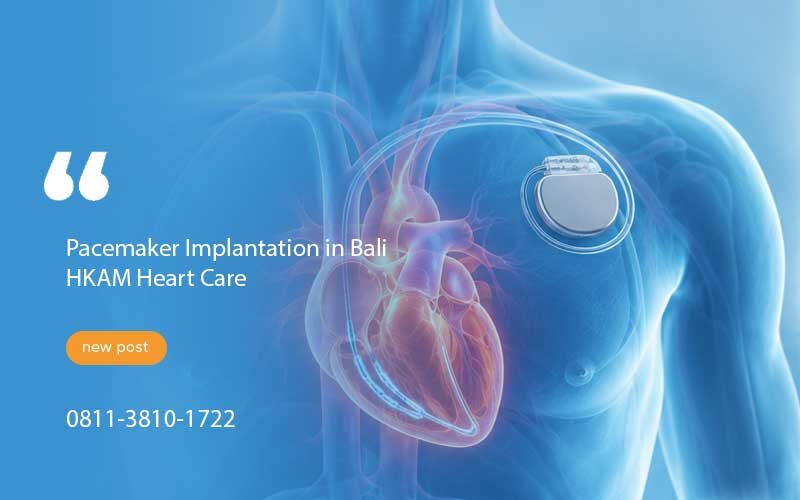
A pacemaker is a small electronic device implanted under the skin to help control an abnormally slow heartbeat. It sends electrical impulses to the heart when needed, supporting a more appropriate heart rate.
Depending on the patient’s condition, a pacemaker may use one or more leads, or a leadless design that sits inside the heart.
The device does not treat every type of arrhythmia. Your cardiologist will determine whether a pacemaker is appropriate based on your symptoms, heart rhythm recordings, medical history, and diagnostic findings.
Who May Need Pacemaker Implantation?
A cardiologist may recommend a pacemaker for patients whose heart rhythm is too slow or whose electrical signals do not travel properly through the heart.
Common indications include:
Bradycardia: A heart rate that is too slow and causes symptoms or affects circulation.
Heart block: A delay or interruption in the electrical signals between the heart’s chambers.
Sinus node dysfunction: A problem with the heart’s natural pacemaker that affects heart rate.
Selected cases of heart failure: Certain patients may benefit from cardiac resynchronisation therapy (CRT), a specialised device-based treatment.
Not everyone with a low heart rate needs a pacemaker. The decision depends on the underlying cause, symptoms, test results, and clinical guidelines.
Pacemaker Implantation in Bali
How Is Pacemaker Implantation Performed?
Pacemaker implantation depends on the device type and the patient’s medical condition. For a conventional pacemaker, the procedure generally involves the following steps:
Anaesthesia and incision: The cardiologist uses local anaesthesia, sometimes with sedation, and makes a small incision near the collarbone.
Lead placement: One or more leads are guided through a vein into the heart.
Device implantation: The pacemaker generator is placed under the skin, usually near the collarbone.
Device testing: The team checks the lead position and pacemaker function before closing the incision.
What about a leadless pacemaker?
This device follows a different technique. It is usually inserted through a vein in the groin and positioned directly inside the heart, without conventional leads.
Your cardiologist will recommend the most suitable approach based on your heart rhythm, medical history, and diagnostic results.
What Are You Waiting For?
Discuss your heart rhythm issues with our cardiology team and learn about treatment options for pacemaker implantation in Bali.
Before recommending implantation, the cardiology team reviews your symptoms, medical history, current medications, and previous heart investigations.
Depending on your condition, the assessment may include an electrocardiogram (ECG), ambulatory heart rhythm monitoring, blood tests, or an echocardiogram.
Bring your previous test results, medication list, allergy information, and relevant medical records to your consultation.
Tell your doctor if you take blood-thinning medication or have a history of bleeding, infection, or reactions to medical devices. Do not stop prescribed medication unless your treating team instructs you to do so.
How Long Does Pacemaker Implantation Take?
A conventional pacemaker implantation commonly takes around 1 hour, although more complex cases or additional procedures can take longer. The total time at the hospital will also include preparation, anaesthesia or sedation, post-procedure monitoring, and device checks.
The actual duration at SCVC Indonesia will depend on the type of device, the patient’s condition, and the treating cardiologist’s assessment. Please confirm the expected procedure and admission schedule during consultation.
What Are the Different Types of Pacemakers?
The appropriate device depends on the patient’s rhythm disorder, heart function, and treatment goals.
Device type
Main purpose
Single-chamber pacemaker
Uses one lead to stimulate one heart chamber, typically the right ventricle.
Dual-chamber pacemaker
Uses leads to coordinate electrical activity between the right atrium and right ventricle.
Leadless pacemaker
A compact device implanted directly inside the heart without conventional leads.
Cardiac resynchronisation therapy (CRT)
Helps coordinate the contraction of the heart’s ventricles in selected patients, often those with heart failure.
An implantable cardioverter-defibrillator (ICD) is a different device designed to detect and treat certain dangerous heart rhythms.
Although some devices combine functions, an ICD is not interchangeable with a standard pacemaker.
What Are the Risks of Pacemaker Implantation?
Pacemaker implantation is an established cardiac procedure, but complications can occur.
Possible risks include bleeding, infection, bruising, blood vessel injury, a lead moving out of position, or air accumulating around the lung. Less commonly, complications may require another procedure or device revision.
Your individual risk depends on your medical condition, medications, anatomy, and the type of device being implanted.
Before the procedure, ask your cardiologist about the risks that apply to you, how complications are managed, and what symptoms require urgent medical attention.
How Long Is Recovery After Pacemaker Implantation?
Many patients remain in the hospital overnight for observation and device checks, although the length of stay varies. Mild soreness or bruising near the implant site can occur during the initial recovery period.
Follow your medical team’s instructions for wound care, bathing, medication, and physical activity. You may need to avoid heavy lifting and strenuous movements involving the implant-side arm for several weeks.
Attend all follow-up appointments so the team can check the wound, review symptoms, and assess device function.
Can International Patients Have Pacemaker Implantation in Bali?
Patients travelling to Bali for cardiac treatment should arrange a consultation before confirming flights or accommodation. Our team can review available medical records and advise on the next steps for assessment and treatment planning.
After implantation, the treating cardiologist must determine when it is safe to travel. This decision depends on recovery, wound condition, device function, and any complications.
International patients should also arrange follow-up care with a cardiologist near their home and confirm how device checks will be managed after returning home.
Why Choose HKAM for Pacemaker Implantation in Bali?
Specialised Arrhythmia Care
Access cardiac care focused on heart rhythm disorders through SCVC Indonesia.
Electrophysiology Expertise
Consult a specialist team experienced in evaluating cardiac electrical disorders.
Bali International Hospital Location
Receive care at SCVC Indonesia, located within Bali International Hospital.
Individualised Treatment Planning
Explore treatment options based on your symptoms, medical history, and diagnostic results.
Comprehensive Heart Rhythm Assessment
Identify the underlying rhythm problem before determining whether pacemaker implantation is appropriate.
Pacemaker Options Guidance
Understand the differences between conventional and leadless pacemakers when clinically suitable.
Pre-Procedure Consultation
Discuss preparation, medication considerations, and the expected steps before implantation.
Risk and Recovery Guidance
Learn about potential complications, wound care, activity restrictions, and follow-up needs.
International Patient Considerations
Discuss medical records, travel planning, and post-treatment follow-up before travelling to Bali.
Direct Appointment Enquiries
Contact HKAM to ask about consultation availability, treatment suitability, and estimated procedure costs.
Book a Pacemaker Consultation in Bali
If you have been advised to consider a pacemaker or want a specialist opinion about a heart rhythm disorder, contact HKAM’s SCVC Indonesia team to discuss your medical records and arrange a consultation.
Our cardiology team can help you understand your options and the next steps for pacemaker implantation in Bali.
Diabetes dan Hipertensi: Risiko Penyakit Jantung dan Layanan Jantung di Bali
Apakah Anda memiliki diabetes, tekanan darah tinggi, atau keduanya? Jika iya, menjaga kesehatan jantung menjadi hal yang tidak boleh diabaikan.
Diabetes dan hipertensi merupakan dua faktor risiko penting penyakit jantung. Keduanya dapat memengaruhi pembuluh darah, meningkatkan beban kerja jantung, dan berkontribusi terhadap terjadinya penyakit jantung koroner, serangan jantung, hingga gagal jantung.
Yang perlu diwaspadai, gangguan jantung dapat berkembang tanpa gejala yang jelas. Seseorang mungkin tetap merasa sehat, padahal memiliki faktor risiko yang membutuhkan perhatian medis.
Karena itu, memahami risiko, mengetahui kapan perlu melakukan pemeriksaan, dan berkonsultasi dengan dokter yang tepat merupakan langkah penting untuk menjaga kesehatan jantung.
Bagi Anda yang sedang mencari layanan jantung di Bali, Sapporo Cardiovascular Clinic (SCVC) Indonesia di Bali International Hospital, Sanur, menghadirkan layanan kardiologi dan bedah jantung dengan pendekatan yang berfokus pada evaluasi menyeluruh dan kebutuhan setiap pasien.
Lantas, bagaimana diabetes dan hipertensi meningkatkan risiko penyakit jantung? Pemeriksaan apa yang mungkin diperlukan, dan kapan sebaiknya Anda berkonsultasi dengan dokter spesialis jantung?
Apakah Diabetes dan Hipertensi Bisa Menyebabkan Penyakit Jantung?
Ya. Diabetes dan hipertensi dapat meningkatkan risiko berbagai penyakit kardiovaskular, termasuk penyakit jantung koroner, serangan jantung, dan gagal jantung.
Diabetes menyebabkan kadar gula darah meningkat akibat gangguan produksi insulin, kerja insulin, atau keduanya. Jika tidak dikelola dengan baik, kondisi ini dapat merusak pembuluh darah dan berkontribusi terhadap penumpukan plak pada arteri.
Sementara itu, hipertensi atau tekanan darah tinggi membuat jantung harus bekerja lebih keras untuk memompa darah ke seluruh tubuh. Dalam jangka panjang, kondisi ini dapat menyebabkan perubahan struktur jantung dan meningkatkan risiko komplikasi.
Risiko dapat semakin besar ketika diabetes dan hipertensi terjadi bersamaan, terutama jika disertai kolesterol tinggi, kebiasaan merokok, obesitas, atau penyakit ginjal.
Namun, memiliki diabetes atau hipertensi bukan berarti seseorang pasti mengalami penyakit jantung. Pengendalian faktor risiko dan evaluasi medis yang tepat dapat membantu mengurangi kemungkinan terjadinya komplikasi.
Bagaimana Diabetes Meningkatkan Risiko Penyakit Jantung?
Hubungan diabetes dengan jantung berkaitan dengan dampak kadar gula darah yang tinggi terhadap pembuluh darah dan fungsi sistem kardiovaskular.
Berikut beberapa hal yang perlu diketahui.
Meningkatkan risiko penyumbatan pembuluh darah
Kadar gula darah yang tinggi dalam jangka panjang dapat mengganggu fungsi lapisan dalam pembuluh darah dan berkontribusi terhadap aterosklerosis, yaitu penumpukan plak pada dinding arteri.
Jika plak terbentuk pada arteri koroner, aliran darah yang membawa oksigen ke otot jantung dapat berkurang. Apabila terjadi penyumbatan mendadak, kondisi ini dapat memicu serangan jantung.
Berkaitan dengan kolesterol yang tidak sehat
Diabetes tipe 2 sering disertai gangguan metabolisme lemak, seperti trigliserida tinggi dan kolesterol HDL yang rendah. Perubahan profil lemak darah ini dapat meningkatkan risiko terbentuknya plak di pembuluh darah.
Karena itu, pemeriksaan kesehatan pada penderita diabetes perlu mempertimbangkan profil lipid, tekanan darah, fungsi ginjal, serta faktor risiko lainnya.
Meningkatkan risiko gagal jantung
Diabetes juga berkaitan dengan peningkatan risiko gagal jantung, terutama ketika disertai hipertensi, penyakit jantung koroner, atau gangguan ginjal.
Gagal jantung merupakan kondisi ketika jantung tidak mampu mengisi atau memompa darah secara efektif sesuai kebutuhan tubuh. Gejalanya dapat berupa sesak napas, mudah lelah, dan pembengkakan pada tungkai.
Jika Anda memiliki diabetes, jangan hanya berfokus pada angka gula darah. Kesehatan jantung dan pembuluh darah juga perlu menjadi bagian dari pemantauan rutin.
Mengapa Hipertensi Berbahaya bagi Jantung?
Hipertensi sering tidak menimbulkan gejala yang jelas. Seseorang bisa saja merasa sehat meskipun tekanan darahnya tinggi.
Padahal, tekanan darah yang terus-menerus tinggi dapat menimbulkan beberapa dampak berikut.
Jantung bekerja lebih keras
Tekanan darah tinggi meningkatkan beban kerja jantung. Dalam jangka panjang, otot jantung dapat menebal dan menjadi lebih kaku sehingga kemampuan jantung untuk mengisi darah dapat terganggu.
Risiko penyakit jantung koroner meningkat
Hipertensi dapat berkontribusi terhadap kerusakan pembuluh darah dan perkembangan aterosklerosis. Jika pembuluh darah koroner menyempit atau tersumbat, suplai darah ke otot jantung dapat terganggu.
Risiko gagal jantung dan gangguan irama meningkat
Hipertensi yang berlangsung lama berkaitan dengan peningkatan risiko gagal jantung dan gangguan irama tertentu, termasuk fibrilasi atrium.
Karena itu, jika Anda memiliki tekanan darah tinggi, penting untuk melakukan pemantauan secara teratur dan mengikuti rencana pengobatan yang diberikan dokter.
Kombinasi Diabetes, Hipertensi, dan Kolesterol Tinggi: Apa Risikonya?
Ketiga kondisi ini dapat meningkatkan risiko penyakit kardiovaskular ketika terjadi bersamaan.
Diabetes dapat berkontribusi terhadap kerusakan pembuluh darah, hipertensi meningkatkan tekanan pada dinding pembuluh darah, sedangkan kolesterol yang tidak sehat dapat berperan dalam pembentukan plak.
Risiko juga dipengaruhi oleh usia, kebiasaan merokok, aktivitas fisik, berat badan, fungsi ginjal, dan riwayat keluarga.
Jika Anda memiliki beberapa faktor risiko sekaligus, konsultasi dengan dokter spesialis jantung dapat membantu menilai kondisi secara lebih menyeluruh dan menentukan apakah pemeriksaan lanjutan diperlukan.
Gejala Penyakit Jantung yang Perlu Diwaspadai
Penyakit jantung tidak selalu menimbulkan keluhan pada tahap awal. Namun, beberapa gejala berikut perlu diperhatikan:
Nyeri, tekanan, atau rasa tidak nyaman di dada.
Sesak napas saat beraktivitas atau ketika beristirahat.
Mudah lelah atau kemampuan beraktivitas menurun tanpa sebab yang jelas.
Jantung berdebar atau terasa berdetak tidak teratur.
Pusing, hampir pingsan, atau kehilangan kesadaran.
Pembengkakan pada tungkai atau pergelangan kaki, terutama jika disertai sesak napas.
Pada sebagian orang dengan diabetes, gejala serangan jantung dapat terasa tidak khas atau kurang jelas.
Jika Anda mengalami nyeri dada yang baru atau menetap, sesak napas berat, keringat dingin, atau pingsan, segera cari pertolongan medis darurat. Jangan menunggu jadwal konsultasi rutin.
Kapan Perlu Melakukan Cardiovascular Screening?
Cardiovascular screening merupakan evaluasi faktor risiko kardiovaskular untuk membantu menentukan apakah seseorang membutuhkan pemeriksaan atau penanganan lebih lanjut.
Pemeriksaan dapat dipertimbangkan jika Anda:
Memiliki diabetes, terutama jika disertai faktor risiko lain.
Mengalami hipertensi yang belum terkontrol.
Memiliki kolesterol tinggi.
Merokok atau memiliki riwayat merokok.
Memiliki riwayat penyakit jantung atau stroke dalam keluarga.
Mengalami nyeri dada, sesak napas, jantung berdebar, atau mudah lelah yang tidak biasa.
Memiliki riwayat penyakit kardiovaskular sebelumnya.
Tidak semua orang memerlukan pemeriksaan yang sama. Dokter akan menilai riwayat kesehatan, gejala, faktor risiko, dan hasil pemeriksaan awal sebelum menentukan langkah berikutnya.
Jika Anda sedang mencari layanan jantung di Bali untuk mengevaluasi kondisi tersebut, langkah awal yang dapat dilakukan adalah menjadwalkan konsultasi dengan dokter spesialis jantung.
Pemeriksaan Jantung Apa yang Mungkin Diperlukan?
Di SCVC Indonesia, layanan kardiovaskular mencakup diagnostik jantung dan kardiologi intervensi. Jenis pemeriksaan yang diperlukan tetap ditentukan berdasarkan evaluasi dokter dan kondisi setiap pasien.
Berikut beberapa pemeriksaan yang mungkin direkomendasikan.
Pemeriksaan tekanan darah dan faktor risiko
Dokter akan mengevaluasi tekanan darah, riwayat kesehatan, pola hidup, penggunaan obat, serta faktor risiko lainnya.
Pemeriksaan gula darah, HbA1c, dan kolesterol
Pemeriksaan laboratorium membantu menilai pengendalian diabetes dan profil lemak darah yang berkaitan dengan risiko kardiovaskular.
Elektrokardiogram (EKG)
EKG merekam aktivitas listrik jantung. Pemeriksaan ini dapat membantu mengidentifikasi gangguan irama tertentu dan memberikan petunjuk mengenai beberapa masalah jantung.
Ekokardiografi
Ekokardiografi menggunakan gelombang suara untuk menilai struktur, fungsi pompa, dan kondisi katup jantung. Pemeriksaan ini dilakukan jika terdapat indikasi klinis.
Pemeriksaan lanjutan sesuai indikasi
Dokter dapat mempertimbangkan tes latih jantung, pencitraan jantung, atau pemeriksaan lainnya berdasarkan kebutuhan medis.
Pada pasien tertentu, evaluasi lebih lanjut dapat melibatkan kateterisasi jantung untuk menilai pembuluh darah koroner atau membantu menentukan penanganan yang sesuai.
Kateterisasi Jantung dan Pasang Ring Jantung: Kapan Diperlukan?
Bagi pasien yang memiliki risiko atau dugaan penyakit jantung koroner, dokter dapat mempertimbangkan pemeriksaan lebih lanjut terhadap pembuluh darah yang memasok darah ke otot jantung.
Kateterisasi jantung adalah prosedur yang menggunakan kateter, yaitu selang tipis dan fleksibel yang dimasukkan melalui pembuluh darah untuk membantu mengevaluasi kondisi jantung dan pembuluh darah tertentu.
Salah satu prosedur yang dapat dilakukan melalui pendekatan kateter adalah Percutaneous Coronary Intervention (PCI), yang sering dikenal masyarakat sebagai tindakan pasang ring jantung.
Pada PCI, dokter dapat membuka penyempitan atau sumbatan pada arteri koroner menggunakan teknik intervensi yang sesuai. Pada kondisi tertentu, stent atau ring jantung dipasang untuk membantu menjaga pembuluh darah tetap terbuka.
Namun, tidak semua penyempitan pembuluh darah memerlukan pemasangan ring. Keputusan tindakan bergantung pada gejala, lokasi dan tingkat penyempitan, hasil pemeriksaan, kondisi klinis pasien, serta manfaat dan risiko setiap pilihan terapi.
Jika Anda sedang mencari informasi tentang kateterisasi jantung Bali atau pasang ring jantung Bali, penting untuk berkonsultasi dengan tim kardiologi intervensi agar mengetahui apakah prosedur tersebut sesuai dengan kondisi Anda.
SCVC Indonesia menyediakan layanan kardiologi intervensi di Bali International Hospital. Evaluasi dokter diperlukan untuk menentukan prosedur dan teknologi yang tepat bagi setiap pasien.
Pelajari juga layanan Coronary Stent Placement di Bali untuk memahami lebih lanjut mengenai prosedur PCI dan pertimbangan penanganan penyakit jantung koroner.
Mencari Dokter Spesialis Jantung Bali? Kenali Layanan SCVC Indonesia
Memilih dokter dan fasilitas kesehatan untuk menangani masalah jantung merupakan keputusan penting. Pasien membutuhkan penjelasan yang mudah dipahami, evaluasi yang menyeluruh, serta rekomendasi penanganan yang sesuai dengan kondisi medisnya.
Sapporo Cardiovascular Clinic (SCVC) Indonesia merupakan pusat layanan kardiologi dan bedah jantung di Bali International Hospital, Sanur, yang berada dalam jaringan HK Asia Medical Group (HKAM).
Layanan SCVC mencakup beberapa bidang kardiovaskular, antara lain:
Diagnostik jantung: evaluasi struktur, fungsi, dan aktivitas jantung sesuai indikasi.
Kardiologi intervensi: penanganan penyakit jantung koroner melalui prosedur berbasis kateter pada pasien yang memenuhi indikasi.
Jantung struktural: evaluasi dan penanganan kondisi tertentu yang melibatkan struktur serta katup jantung.
Aritmia dan perangkat jantung: evaluasi gangguan irama jantung dan penanganan yang sesuai.
Bedah jantung dan pembuluh darah: evaluasi kondisi yang membutuhkan pertimbangan tindakan bedah kardiovaskular.
Tim SCVC mencakup dokter spesialis jantung dan tenaga medis dengan bidang keahlian yang berbeda. Pemilihan dokter dilakukan berdasarkan masalah kesehatan dan kebutuhan evaluasi pasien.
Bagi Anda yang mencari dokter spesialis jantung Bali atau spesialis jantung Denpasar Bali, konsultasi dapat menjadi langkah awal untuk memahami kondisi jantung dan mengetahui pilihan pemeriksaan maupun penanganan yang tersedia.
Mengapa Pemeriksaan dan Penanganan Perlu Disesuaikan dengan Kondisi Pasien?
Setiap pasien memiliki faktor risiko, gejala, dan kebutuhan medis yang berbeda. Karena itu, penanganan penyakit jantung tidak seharusnya ditentukan hanya berdasarkan satu hasil pemeriksaan.
Dokter akan mempertimbangkan keseluruhan kondisi pasien sebelum merekomendasikan pemeriksaan lanjutan, pengobatan, prosedur kateterisasi, pemasangan ring, atau pilihan terapi lainnya.
Pendekatan ini penting agar pasien memahami kondisi yang sedang dihadapi, alasan suatu tindakan direkomendasikan, serta manfaat dan risiko yang perlu dipertimbangkan.
Di SCVC Indonesia, evaluasi dan diskusi medis menjadi bagian dari proses untuk membantu pasien memahami pilihan penanganan yang sesuai dengan kebutuhan mereka.
FAQ: Diabetes, Hipertensi, dan Layanan Jantung di Bali
Apakah penderita diabetes perlu memeriksakan jantung?
Penderita diabetes memiliki risiko penyakit kardiovaskular yang lebih tinggi. Konsultasi dengan dokter dapat membantu menentukan kebutuhan evaluasi berdasarkan usia, faktor risiko, gejala, dan riwayat kesehatan. Tidak semua pasien tanpa gejala membutuhkan pemeriksaan jantung lanjutan yang sama.
Apakah hipertensi bisa menyebabkan serangan jantung?
Ya. Hipertensi yang berlangsung lama dapat berkontribusi terhadap kerusakan pembuluh darah dan perkembangan penyakit jantung koroner. Jika terjadi penyumbatan akut pada arteri koroner, serangan jantung dapat terjadi.
Di mana bisa konsultasi dengan dokter spesialis jantung di Bali?
Anda dapat mencari layanan kardiologi di Sapporo Cardiovascular Clinic (SCVC) Indonesia, yang berlokasi di Bali International Hospital, Sanur, Denpasar.
Apakah semua pasien dengan penyakit jantung perlu pasang ring?
Tidak. Pemasangan ring jantung hanya direkomendasikan pada pasien tertentu berdasarkan hasil evaluasi. Dokter akan mempertimbangkan kondisi klinis, lokasi dan tingkat penyempitan pembuluh darah, serta manfaat dan risiko tindakan.
Apa perbedaan kateterisasi jantung dan pasang ring jantung?
Kateterisasi jantung merupakan prosedur untuk mengevaluasi kondisi jantung atau pembuluh darah menggunakan kateter. Pasang ring jantung merupakan salah satu tindakan yang dapat dilakukan melalui prosedur intervensi koroner pada pasien yang memenuhi indikasi. Kateterisasi tidak selalu berakhir dengan pemasangan ring.
Bagaimana cara membuat janji konsultasi di SCVC Bali?
Anda dapat menghubungi tim SCVC Indonesia melalui WhatsApp untuk menanyakan jadwal konsultasi dan informasi layanan.
Jaga Kesehatan Jantung Anda Bersama SCVC Indonesia
Diabetes dan hipertensi tidak selalu menimbulkan gejala yang terasa langsung, tetapi keduanya dapat meningkatkan risiko penyakit jantung dalam jangka panjang.
Memahami faktor risiko, melakukan pengendalian yang tepat, dan berkonsultasi ketika diperlukan merupakan bagian penting dari upaya menjaga kesehatan jantung.
Jika Anda memiliki diabetes, hipertensi, kolesterol tinggi, atau keluhan yang mengarah pada gangguan jantung, jangan menunda untuk mencari informasi medis yang tepat.
SCVC Indonesia di Bali International Hospital siap membantu Anda memulai evaluasi kesehatan jantung melalui konsultasi dengan tim medis sesuai kebutuhan Anda.
Hubungi tim kami untuk mengetahui jadwal konsultasi dan informasi layanan.
Sapporo Cardiovascular Clinic (SCVC) Indonesia Bali International Hospital, Sanur, Denpasar, Bali.
This article explains what TEER treatment in Bali involves, who may benefit, and how the evaluation process works at SCVC Bali.
Persistent Shortness of Breath? It May Be More Than Just Age
Shortness of breath can gradually become part of daily life.
Walking a few hundred meters may feel exhausting. Climbing stairs may leave you breathless. Some people may also experience repeated hospital admissions because of heart failure.
These symptoms are sometimes considered a normal part of aging. However, they can also be linked to mitral valve regurgitation, a condition in which the mitral valve does not close properly.
When the valve leaks, some blood flows backward into the left atrium each time the heart contracts. The heart may then need to work harder to maintain adequate blood flow to the body.
Over time, significant mitral regurgitation can contribute to heart enlargement, worsening
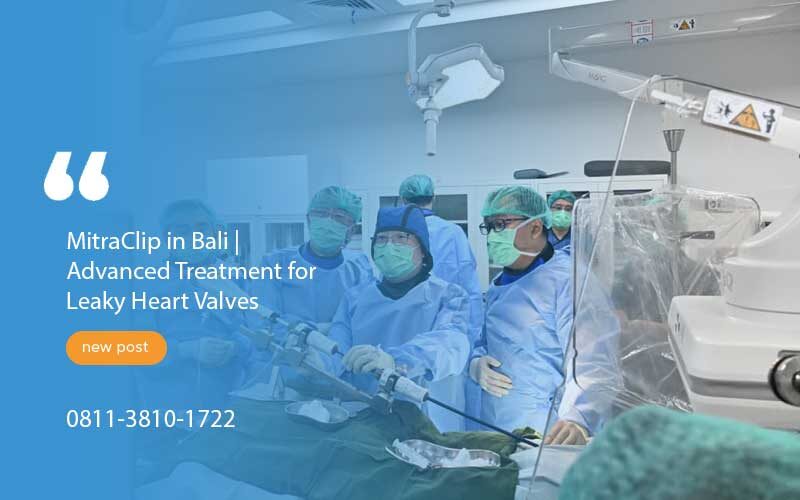
For many years, surgery has been an important treatment option for severe mitral valve disease. Today, selected patients may also be considered for a less invasive catheter-based procedure called Transcatheter Edge-to-Edge Repair (TEER).
For eligible patients, TEER treatment in Bali may provide another treatment option after comprehensive evaluation by a specialized Heart Team.
At SCVC Bali (Sapporo Cardio Vascular Clinic at Bali International Hospital), structural heart conditions can be evaluated through a multidisciplinary Heart Team approach. Advanced cardiac imaging and specialist collaboration are important parts of determining whether a transcatheter procedure is appropriate for an individual patient.
What Is Mitral Valve Regurgitation?
The heart has four valves that help blood move in the right direction.
The mitral valve is located between the left atrium and the left ventricle. It opens to allow blood to move into the left ventricle. It then closes when the heart contracts.
Normally, the valve should close tightly.
With mitral valve regurgitation, the valve does not close completely. Some blood flows backward into the left atrium instead of moving forward into the aorta.
A simple way to understand this is to imagine a water container with a small leak.
You need to add more water to maintain the same level. The heart faces a similar challenge when blood repeatedly flows backward.
If significant regurgitation continues for a long time, the heart may become enlarged and its pumping function may deteriorate.
The condition can also contribute to symptoms of heart failure.
What Causes Mitral Valve Regurgitation?
Mitral valve regurgitation can have different causes.
In some patients, the valve itself is abnormal or damaged. In others, the valve becomes leaky because the heart chambers have changed in size or shape.
Common causes include:
Degenerative changes of the mitral valve.
Mitral valve prolapse.
Damage to the heart muscle after a heart attack.
Heart failure with enlargement of the left ventricle.
Congenital abnormalities of the valve.
Rheumatic heart valve disease.
The cause of the regurgitation matters.
It can affect the severity of the condition, the anatomy of the valve, and the treatment options that may be considered.
That is why a detailed cardiac evaluation is important before deciding on treatment.
Symptoms of Mitral Valve Regurgitation You Should Not Ignore
Mild mitral regurgitation may cause no obvious symptoms.
Some people only discover the condition during a routine heart examination.
As the regurgitation becomes more significant, symptoms may become easier to notice.
Possible symptoms include:
Shortness of breath during activity.
Fatigue during everyday activities.
Reduced exercise tolerance.
Palpitations or an irregular heartbeat.
Chest discomfort.
Swelling in the legs or ankles.
Shortness of breath when lying down.
Repeated hospital admissions related to heart failure.
These symptoms do not automatically mean that you have mitral valve regurgitation.
Several heart and lung conditions can cause similar complaints.
A cardiology evaluation is therefore important to identify the underlying cause.
Does Every Leaky Mitral Valve Require Surgery?
No.
Not every patient with mitral valve regurgitation needs an intervention.
The appropriate approach depends on the severity of the regurgitation, symptoms, heart function, valve anatomy, underlying cause, and overall health.
Some patients may be managed with medication and regular monitoring.
Other patients with severe or clinically significant regurgitation may need a procedure to repair the valve.
Depending on the individual case, treatment options may include:
Medical therapy.
Surgical mitral valve repair.
Surgical mitral valve replacement.
Transcatheter Edge-to-Edge Repair (TEER) using a clip device.
The decision should be made after a comprehensive assessment.
The Heart Team considers factors such as valve anatomy, the type and severity of mitral regurgitation, heart function, age, other medical conditions, and surgical risk.
Current European guidelines also emphasize the role of experienced Heart Teams, advanced imaging, and appropriate heart valve centres when complex valve interventions are being considered.
What Is a TEER Clip?
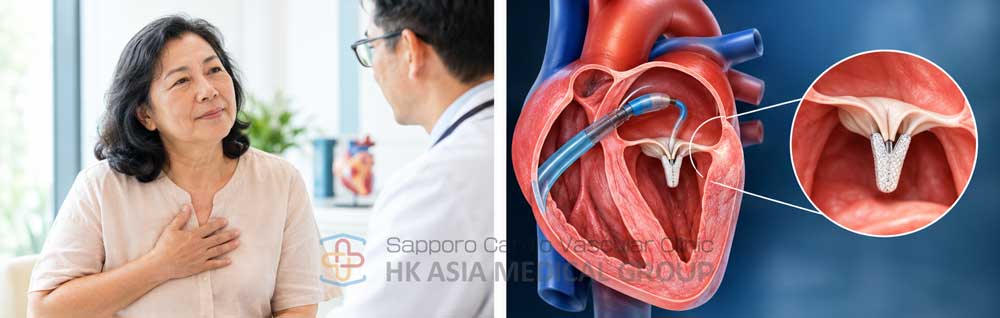
A Clip is a catheter-based device used for Transcatheter Edge-to-Edge Repair (TEER) of the mitral valve. This minimally invasive approach is part of the treatment options evaluated for selected patients seeking TEER treatment in Bali.
Unlike conventional open-heart surgery, TEER does not require a large opening of the chest.
The Clip is delivered through a catheter, usually through a vein in the groin, and guided toward the heart.
Once positioned, the Clip grasps the mitral valve leaflets.
This brings the leaflets closer together and helps reduce the amount of blood flowing backward through the valve.
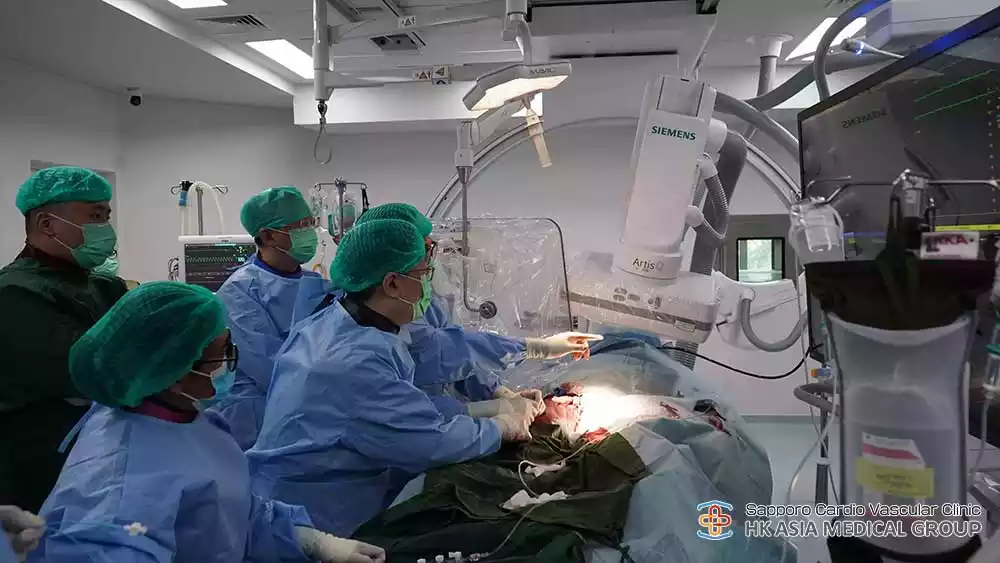
The procedure is performed using advanced imaging to help the medical team position the Clip accurately.
The exact approach and suitability depend on the patient’s anatomy and clinical condition.
TEER vs. Open-Heart Mitral Valve Surgery
TEER and surgical mitral valve treatment are different approaches.
The right option depends on the patient’s individual condition.
TEER
TEER is performed through a catheter rather than through a large chest incision.
This makes it a minimally invasive approach.
It may be considered for selected patients when surgery carries a high or prohibitive risk, or when the clinical situation and valve anatomy make TEER appropriate.
Surgical Mitral Valve Repair
Surgery can provide direct access to the mitral valve.
For patients who are suitable surgical candidates, surgical repair can remain an important treatment option, particularly for certain forms of severe primary mitral regurgitation.
Surgical Mitral Valve Replacement
When repair is not appropriate or feasible, valve replacement may be considered.
The choice between repair, replacement, and TEER requires detailed assessment by the treating team.
There is no single procedure that is appropriate for every patient.
Who May Be Considered for TEER?
TEER is not automatically suitable for everyone with mitral valve regurgitation.
Patient selection is one of the most important parts of the treatment process.
The Heart Team may evaluate:
The severity of mitral regurgitation.
Whether the regurgitation is primary or secondary.
The anatomy and structure of the mitral valve.
Left ventricular function.
Symptoms and functional limitations.
Previous heart procedures.
Other medical conditions.
Surgical and procedural risk.
The expected benefit of reducing mitral regurgitation.
Advanced echocardiography is particularly important.
Transesophageal echocardiography can help assess the valve anatomy, determine whether TEER is technically feasible, guide the procedure, and evaluate the result.
This careful assessment helps the Heart Team select the most appropriate treatment strategy for each patient.
What Happens During a TEER Procedure?
Understanding the steps involved in TEER treatment in Bali can help patients know what to expect. The procedure is performed in a specialized cardiac catheterization or structural heart setting.”
A simplified overview includes:
Patient Evaluation
The medical team reviews the patient’s symptoms, medical history, imaging, and previous treatments.
Advanced Cardiac Imaging
Echocardiography is used to assess the mitral valve and determine whether the anatomy is suitable for TEER.
Catheter Access
This device is inserted through a catheter that is inserted into a blood vessel, usually through the groin.
Navigation to the Heart
Next, the catheter is carefully guided toward the mitral valve using imaging.
Clip Placement
The clip device is positioned to grasp the mitral valve leaflets.
Assessment of the Result
The Heart Team evaluates the reduction in mitral regurgitation and checks the valve function.
Recovery and Follow-Up
After the procedure, the patient is monitored and receives follow-up care based on the individual clinical situation.
The exact procedure and recovery period can vary from one patient to another.
What Are the Potential Benefits of TEER?
For appropriately selected patients, TEER can offer several potential benefits.
These may include:
Reduced mitral valve regurgitation.
Improvement in symptoms such as shortness of breath.
Better ability to perform daily activities.
Improved quality of life.
A less invasive alternative for selected patients who are at high surgical risk.
However, the expected benefits vary between patients.
TEER is not a guarantee of symptom relief or freedom from future heart problems.
The procedure also has potential risks and complications, which should be discussed with the treating Heart Team before treatment.
TEER Treatment in Bali | Evaluation at SCVC Bali
For patients looking for TEER treatment in Bali, understanding the treatment pathway is an important first step.
SCVC Bali provides evaluation for patients who may be candidates for TEER based on their mitral valve condition, symptoms, heart function, valve anatomy, and overall procedural risk.
At SCVC Bali (Sapporo Cardio Vascular Clinic at Bali International Hospital), patients with structural heart conditions can undergo evaluation by a multidisciplinary cardiac team.
This evaluation may include a clinical assessment and advanced cardiac imaging.
The purpose is to understand the patient’s condition in detail.
The Heart Team can then determine whether TEER or another treatment approach may be appropriate.
Treatment decisions should always be individualized.
Not every patient with mitral valve regurgitation is a candidate for TEER.
International Heart Care Bali is available through SCVC Indonesia, a specialized cardiovascular center located at Bali International Hospital in Sanur.
SCVC provides cardiac diagnostics, interventional cardiology, structural heart treatment, arrhythmia care, aortic care, and cardiovascular surgery. Patients can discuss their condition with a multidisciplinary team and receive an evaluation before a treatment plan is determined.
For patients traveling to Bali for medical care, having access to a dedicated heart center within a modern hospital can make the treatment journey more organized.
SCVC Indonesia combines specialist cardiac care, modern technology, and a patient-centered approach in one location.
International Heart Care Bali | Cardiac Treatment at SCVC Indonesia
What Heart Care Services Are Available at SCVC Indonesia?
SCVC Indonesia provides several areas of cardiovascular care. The appropriate service depends on the patient’s symptoms, diagnosis, medical history, and clinical findings.
Cardiac Diagnostics
Cardiac diagnostics help doctors understand the structure, function, and rhythm of the heart before deciding on further treatment.
Depending on the clinical indication, evaluation may include:
Electrocardiography (ECG)
Echocardiography
Cardiac monitoring
Cardiac imaging
Other tests recommended after medical evaluation
SCVC emphasizes evaluation before treatment, allowing the medical team to determine which examinations are appropriate instead of applying the same testing pathway to every patient.
Interventional Cardiology
Interventional cardiology uses minimally invasive procedures to evaluate and treat selected cardiovascular conditions.
This area may be considered for patients with coronary artery disease and other conditions that can benefit from catheter-based treatment. SCVC’s services include specialized interventional cardiac care supported by modern facilities at Bali International Hospital.
Structural Heart Treatment
Structural heart care focuses on conditions involving the structure and function of the heart, including selected heart valve disorders.
SCVC has a dedicated structural heart service and has been involved in advanced procedures such as Transcatheter Aortic Valve Implantation (TAVI) at Bali International Hospital. The first TAVI procedure at BIH was performed through collaboration between SCVC and international medical specialists in March 2026.
Arrhythmia and Cardiac Devices
Irregular heart rhythms may require specialized assessment and treatment.
SCVC provides arrhythmia and cardiac device services for selected rhythm disorders, including cases that may require cardiac devices. The appropriate treatment is determined after evaluating the patient’s rhythm, symptoms, and overall condition.
Aortic Care
Aortic disease can range from conditions requiring monitoring to complex cases requiring specialized cardiovascular treatment.
SCVC provides dedicated aortic care with an integrated approach for patients who require evaluation or treatment involving the aorta.
Heart, Lung and Blood Vessel Care
Some cardiovascular conditions involve more than the heart alone. SCVC also provides an integrated approach for conditions involving the heart, lungs, and blood vessels, with coordination between relevant specialists when required.
Planning cardiac treatment in Bali?
Contact SCVC Indonesia to discuss your condition, available procedures, and the right care pathway for you.
SCVC Indonesia is supported by a multidisciplinary team of cardiovascular specialists.
Our doctors cover cardiology, interventional cardiology, structural heart, arrhythmia, aortic care, and cardiovascular surgery.
Patients receive an evaluation based on their condition before the appropriate treatment is recommended.
Why Consider SCVC Indonesia for International Heart Care in Bali?
Choosing cardiac care away from home involves more than finding a doctor. Patients may also need clear information about the facility, specialists, diagnostic process, and treatment options.
SCVC Indonesia offers several factors that may be relevant to patients considering cardiac treatment in Bali:
A Specialized Cardiovascular Center
SCVC is dedicated to cardiology and cardiovascular surgery rather than operating as a general medical department.
Its services cover diagnostics, interventional cardiology, structural heart care, arrhythmia, aortic care, and cardiovascular surgery.
Multidisciplinary Medical Team
We have a multidisciplinary team consisting of specialists in cardiology and cardiovascular surgery.
SCVC Indonesia has more than 6 heart specialists, including specialists in interventional cardiology, structural heart disease, and cardiovascular surgery.
Modern Hospital Environment
SCVC operates at Bali International Hospital in the Sanur Health and Wellness Special Economic Zone.
BIH states that its facilities include 255 beds, 38 intensive care units, 8 operating rooms, and 4 catheterization laboratories.
International Medical Collaboration
SCVC is part of HK Asia Medical Group and was established in Indonesia through collaboration with Bali International Hospital. The SCVC model also involves medical expertise and collaboration across Asia.
Patient-Centered Evaluation
SCVC’s approach focuses on understanding the patient’s condition before determining treatment.
Medical decisions are based on clinical evaluation, discussion, and the patient’s individual needs rather than automatically selecting a procedure.
How Does Heart Treatment at SCVC Indonesia Begin?
Cardiology consultation
Our team reviews the patient’s symptoms, medical history, and previous test results.
Medical evaluation
Additional cardiac tests may be recommended based on the patient’s condition.
Treatment planning
The doctor discusses the most appropriate treatment options based on the evaluation.
Medical records review
International patients can provide previous medical records and test results from their home country.
What Should International Patients Prepare Before Coming to Bali?
If you are traveling from another country for cardiac care, preparing your medical information in advance can make the consultation more efficient.
Consider preparing:
Previous cardiology consultation reports
ECG or echocardiography results
CTor MRI imaging and reports
Previous catheterization or angiography records
Medication list and current dosage
Previous surgery or procedure records
Relevant laboratory results
A summary of your current symptoms
Bring the original medical records or digital copies whenever possible.
Patients should also inform the medical team about previous procedures, allergies, medications, and existing medical conditions.
Can International Patients Access Cardiac Care in Bali?
Yes. Bali International Hospital (BIH) is positioned as a healthcare facility that serves both local and international patients. Our location in the Sanur Special Economic Zone for Health and Wellness supports Bali’s growing medical tourism ecosystem.
For patients coming from overseas, the location can also be relevant because treatment can be coordinated within a hospital environment rather than requiring separate facilities for different stages of care.
BIH has also developed partnerships related to medical tourism, including services involving travel arrangements, airport assistance, medical evacuation support, logistics, and patient-center services.
How Much Does International Heart Care in Bali Cost?
There is no single price for cardiac treatment because the cost depends on the diagnosis, diagnostic examinations, medications, length of stay, specialist consultation, and whether an intervention or surgery is required.
For example, a patient requiring a cardiology consultation and diagnostic evaluation will have a different treatment cost from a patient requiring an interventional procedure or cardiac surgery.
For this reason, SCVC Indonesia recommends discussing the patient’s medical condition with the team first so the required evaluation and treatment pathway can be determined.
Ask SCVC Indonesia for a case-specific treatment estimate rather than relying on a general online price.
Why Is a Medical Evaluation Important Before Choosing a Heart Procedure?
A heart procedure should not be selected simply because it is newer or less invasive.
The appropriate treatment depends on factors such as:
The type of heart condition
Severity of the disease
Patient age and overall condition
Previous procedures
Heart anatomy
Other medical conditions
Diagnostic findings
The patient’s clinical needs
SCVC Indonesia uses a clinical evaluation and multidisciplinary discussion to help determine an appropriate treatment approach.
This is especially important for patients traveling internationally because treatment decisions should be based on their individual medical information rather than assumptions made before examination.
Why Bali International Hospital Matters for Cardiac Treatment
SCVC Indonesia is located inside Bali International Hospital, giving patients access to a broader hospital environment alongside its specialized cardiovascular services.
BIH identifies cardiology as one of its Centers of Excellence and provides advanced diagnostic and treatment infrastructure. Its facilities include catheterization laboratories, operating rooms, intensive care units, and advanced diagnostic technology.
For patients who require more than a simple consultation, this integrated environment can be relevant when diagnostic evaluation, intervention, surgery, and recovery need to be coordinated.
Get International Heart Care in Bali with SCVC Indonesia
If you are looking for International Heart Care Bali, SCVC Indonesia provides specialized cardiovascular services within Bali International Hospital, supported by specialist doctors, modern facilities, and a multidisciplinary approach.
Contact SCVC Indonesia to discuss your medical condition, arrange a consultation, and determine the next appropriate step for your heart care.
Rayakan Hari Jantung Sedunia 2026 bersama Sapporo Cardiovascular Clinic di Bali International Hospital.
Kesehatan jantung adalah perjalanan yang perlu dijaga setiap hari. Bukan hanya saat berkonsultasi dengan dokter atau menjalani pengobatan, tetapi juga melalui kebiasaan hidup sehat, aktivitas fisik, dan perhatian terhadap tanda-tanda yang diberikan oleh tubuh.
Dalam rangka memperingati World Heart Day 2026, Sapporo Cardio Vascular Clinic (SCVC) – Bali International Hospital mengundang seluruh pasien SCVC beserta keluarga dan orang-orang terkasih untuk hadir dalam kegiatan yang penuh energi, edukasi, dan kebersamaan melalui tema:
❤️ DON’T MISS A BEAT
SCVC Fun Walk: Melangkah Bersama untuk Jantung yang Lebih Sehat
World Heart Day merupakan momentum untuk meningkatkan kesadaran masyarakat akan pentingnya menjaga kesehatan jantung. Tahun ini, SCVC mengajak pasien dan keluarga untuk menjadikan kesehatan jantung sebagai bagian dari kehidupan sehari-hari.
Melalui SCVC Fun Walk, peserta tidak hanya diajak berjalan bersama, tetapi juga mendapatkan kesempatan untuk belajar, berbagi, dan lebih peduli terhadap kesehatan jantung diri sendiri maupun orang-orang terdekat.
Acara ini digelar sebagai momen kebersamaan bagi komunitas SCVC, sekaligus pengingat bahwa menjaga kesehatan jantung dapat dimulai dari langkah-langkah sederhana.
Rangkaian Kegiatan World Heart Day 2026
SCVC Fun Walk
Mari mulai hari dengan aktivitas fisik yang menyenangkan bersama keluarga dan komunitas SCVC. Fun Walk menjadi kesempatan untuk bergerak aktif, menikmati suasana pagi, dan membangun kebiasaan hidup yang lebih sehat.
Setiap langkah merupakan bentuk kepedulian terhadap kesehatan jantung.
CPR/BLS Education & Simple Training
Pernah membayangkan apa yang harus dilakukan ketika seseorang tiba-tiba pingsan atau mengalami henti jantung?
Melalui edukasi dan pelatihan sederhana CPR/BLS, peserta akan diajak mengenal langkah-langkah dasar pertolongan pertama yang penting diketahui oleh masyarakat.
Pengetahuan ini dapat menjadi bekal berharga untuk membantu orang lain dalam situasi darurat, sebelum bantuan medis profesional tiba.
Kesehatan jantung tidak selalu memberikan tanda yang jelas. Tekanan darah tinggi maupun gangguan irama jantung tertentu dapat terjadi tanpa gejala yang dirasakan.
Dalam kegiatan ini, peserta berkesempatan mengikuti pemeriksaan kesehatan jantung gratis berupa:
Pemeriksaan tekanan darah.
Skrining awal Atrial Fibrillation (AF) atau fibrilasi atrium, yaitu salah satu jenis gangguan irama jantung yang menyebabkan detak jantung menjadi tidak teratur.
Pemeriksaan ini merupakan bagian dari upaya meningkatkan kesadaran akan kondisi jantung. Hasil skrining bukan diagnosis akhir, dan peserta dapat berkonsultasi dengan tenaga medis apabila ditemukan hasil yang perlu ditindaklanjuti.
🎤 Health Talk: “Don’t Miss a Beat”
Dapatkan wawasan mengenai pentingnya menjaga kesehatan jantung bersama Prof. Wang Min, MD dalam sesi Health Talk bertema “Don’t Miss a Beat”.
Sesi ini menjadi kesempatan bagi peserta untuk memahami lebih jauh tentang kesehatan jantung, pentingnya mengenali tanda-tanda gangguan jantung, dan bagaimana menjaga jantung tetap sehat melalui gaya hidup sehari-hari.
Karena semakin kita memahami kesehatan jantung, semakin baik pula kita dapat mengambil langkah untuk menjaganya.
Detail Acara
Hari :Minggu, 27 September 2026 Location :Bali International Hospital Registrasi :mulai pukul 05.30 WITA
World Heart Day 2026 menjadi kesempatan untuk berkumpul, bergerak bersama, dan saling mengingatkan bahwa kesehatan jantung adalah sesuatu yang perlu dijaga setiap hari.
A racing heart, sudden skipped beats, or an irregular rhythm can feel worrying. This is especially true when you’re far from home. The good news is that heart arrhythmia care in Bali has advanced significantly.
Treatment can include lifestyle changes and medication. For some patients, doctors may recommend catheter ablation. Newer technology, such as Pulsed Field Ablation (PFA), is also now available.
Each type of arrhythmia needs a different treatment. Some cases only require regular monitoring. Others may need ablation or a device such as a pacemaker or ICD.
At SCVC Bali (Sapporo Cardio Vascular Clinic at Bali International Hospital), every case starts with a thorough evaluation. A dedicated Heart Team may use EP Study and 3D Cardiac Mapping to understand the heart’s rhythm. This helps doctors choose treatment based on your condition.
Whether you live in Bali, are an expat, or are visiting the island, this guide can help. Learn about common arrhythmias, warning signs, and available treatments. We also explain where you can get a proper heart evaluation in Bali without traveling overseas.
Is a Racing Heart Always Arrhythmia?
This is usually the first question on people’s minds, the answer: not always.
A racing or pounding heart can be triggered by things that are temporary in nature, such as:
Intense physical activity
Anxiety or stress
Lack of sleep
Excess caffeine or energy drinks
Fever, anemia, or a thyroid hormone imbalance
In these cases, heart rate usually returns to normal once the trigger is resolved.
However, be cautious if palpitations occur repeatedly without a clear cause, especially when accompanied by shortness of breath, chest pain, dizziness, or fainting.
This calls for an evaluation by a cardiologist to determine whether a true arrhythmia is present.
Why Does the Heart Beat Irregularly?
The heart has its own electrical system.
Every heartbeat starts from a natural pacemaker called the sinus node. It sends electrical signals through the heart, helping the atria and ventricles contract in the right order.
Arrhythmia happens when the electrical system is disrupted.
The signals may travel too fast, too slow, or through the wrong pathway. This can cause the heart to beat irregularly.
This disruption can cause different symptoms.
Common symptoms include palpitations, an irregular heartbeat, dizziness, and sometimes loss of consciousness.
The Most Common Types of Arrhythmia
Knowing the type of arrhythmia matters, because each one carries different risks and requires a different approach.
Atrial Fibrillation (AF)
The most common type, especially in people over 65. AF raises the risk of stroke because blood clots can form inside the atria.
Supraventricular Tachycardia (SVT)
Heart rate suddenly spikes due to an abnormal electrical pathway in the upper chambers. Good news: ablation success rates for SVT are very high.
Bradycardia
The heart rate is too slow, leaving the body short of blood flow. Symptoms include dizziness, fatigue, or fainting, and some patients require a pacemaker.
Arrhythmias originating from the lower chambers that can be life-threatening if not treated immediately.
Does any of this sound familiar?
The sooner an arrhythmia is identified, the more treatment options are available and the lower the risk of complications.
Consultation with a Doctor at SCVC Indonesia: 0811-3810-1722
How Do Doctors Decide on the Right Treatment?
Two questions patients ask most often: “Do I need to take medication for life?” and “Do I need ablation?”
The answer is different for everyone, because doctors need to weigh several factors together:
The type of arrhythmia
How frequent and severe the symptoms are
Stroke risk and risk of sudden cardiac arrest
Heart function and any underlying conditions
Patient’s age
Results of the electrophysiology evaluation
From here, a personalized treatment plan is developed, whether that’s lifestyle changes, medication, cardiac ablation, a pacemaker, or an ICD.
Arrhythmia Treatment Options | From the Simplest to the Most Definitive
Lifestyle Changes
For mild arrhythmia, these steps help reduce how often symptoms recur:
Managing blood pressure, cholesterol, and blood sugar
Quitting smoking
Limiting alcohol and caffeine if they’re proven triggers
Getting enough sleep and managing stress
Maintaining an ideal body weight
Regular exercise as advised by your doctor
These steps won’t always eliminate arrhythmia entirely, but they help control the factors that make it worse.
Medication
Medication is often the first step to control heart rate, restore a normal rhythm, reduce recurrence, or lower stroke risk in AF patients. Because some antiarrhythmic drugs carry side effects and interactions, they must be used under a cardiologist’s supervision.
Catheter Ablation | Treating the Source of the Problem
Although the treatment only relieves symptoms, catheter ablation works by deactivating the small area of tissue causing the electrical disturbance. This can provide better long-term results for many patients.
This procedure is performed using a catheter inserted through a blood vessel, without the need for open-heart surgery.
For SVT, the success rate is very high. As for AF, ablation can also be effective in patients who meet the appropriate indication criteria.
Pulsed Field Ablation (PFA) | The Latest Generation of Ablation Therapy
Unlike conventional ablation, which uses heat (radiofrequency) or cold (cryoablation), PFA uses a pulsed electric field to more selectively deactivate the heart cells causing arrhythmias. This has the potential to reduce injury to surrounding structures such as the esophagus and the phrenic nerve.
Not all patients require PFA; your doctor will determine the most appropriate method based on the type of arrhythmia, heart anatomy, and a comprehensive evaluation.
Pacemaker | A Solution for a Heartbeat That Is Too Slow
Picture a home’s electrical system that keeps cutting out, the lights dim or go dark. That’s essentially what happens with bradycardia: the heart rate is too slow, so the body doesn’t get enough blood flow.
A pacemaker is implanted under the skin and delivers electrical impulses when the heart rate slows down. It’s generally considered for symptomatic bradycardia patients experiencing dizziness, fatigue, or fainting.
ICD | A “Safety Guardian” for Dangerous Arrhythmias
For fast, life-threatening rhythm disturbances (ventricular tachycardia/fibrillation), doctors may consider an Implantable Cardioverter Defibrillator (ICD).
This device continuously monitors heart rhythm and automatically delivers therapy when it detects a dangerous disturbance.
Why Arrhythmia Treatment Needs a Heart Team
Arrhythmia is often linked to coronary artery disease, valve disorders, heart failure, or other structural heart conditions.
That’s why at SCVC Bali, every patient is evaluated by a Heart Team consisting of:
A cardiologist specializing in arrhythmia
An interventional cardiologist
A cardiovascular imaging specialist
A cardiac surgeon
An anesthesiologist
A cardiac rehabilitation team
This team-based approach ensures the therapy you receive truly fits your needs, not a one-size-fits-all solution.
Heart Arrhythmia Care in Bali
Many people assume complex heart procedures mean flying to Jakarta, Singapore, or Australia. In Bali, that’s no longer necessary.
SCVC Bali, based at Bali International Hospital, brings together EP Study, 3D Cardiac Mapping, and Pulsed Field Ablation in one facility on the island. Supported by a full Heart Team available for both Indonesian patients and the island’s large expat and international community.
This means faster diagnosis, treatment without long travel, and continuity of care close to home, whether you’re based in Denpasar, Canggu, Ubud, Sanur, or elsewhere in Bali.
When to See a Doctor or Go to the ER Immediately
Seek medical help right away if you experience:
Palpitations accompanied by chest pain
Fainting or nearly losing consciousness
Sudden, severe shortness of breath
A very fast or very slow heart rate with dizziness and weakness
Prolonged palpitations that don’t improve
Early detection and treatment help prevent more serious complications, including stroke and sudden cardiac arrest.
Experiencing any of the symptoms above?
Don’t wait until it gets worse, the SCVC Bali Heart Team is ready to evaluate your condition right away.
No, it can also be triggered by stress, excess caffeine, lack of sleep, anemia, or a thyroid disorder. A doctor’s evaluation is still needed to confirm the cause.
Does every arrhythmia require ablation?
No, some patients can be managed with lifestyle changes or medication alone. Ablation is only considered when its benefits outweigh the risks for that specific type of arrhythmia and patient condition.
Is ablation the same as heart surgery?
No, ablation is performed through a catheter inserted via a blood vessel, without open-heart surgery.
Is PFA better than conventional ablation?
PFA is a newer technology with different characteristics. The choice of method still depends on each patient’s individual condition.
Are a pacemaker and an ICD the same thing?
No, a pacemaker treats a heart rate that’s too slow, while an ICD detects and treats rhythm disturbances that could be life-threatening.
Can I get heart arrhythmia care in Bali without traveling overseas?
Yes, SCVC Bali at Bali International Hospital offers EP Study, 3D Cardiac Mapping, and Pulsed Field Ablation on the island, so most patients no longer need to travel abroad for advanced arrhythmia care.
Don’t Wait | Get Your Heart Rhythm Evaluated Today
f you frequently experience palpitations, irregular heartbeat, dizziness, fatigue, or unexplained fainting, don’t ignore the symptoms.
At SCVC Bali, our Heart Team evaluates your condition to determine the right treatment. Options may include medication, cardiac ablation, a pacemaker, or an ICD, supported by EP Study, 3D Cardiac Mapping, and PFA technology.
Schedule a consultation with dr. I Made Putra Swi Antara, Sp.JP(K), FIHA, Heart Arrhythmia Care Specialists in Bali.
TAVI Procedure in Bali | Heart Valve Replacement Without Open-Chest Surgery
TAVI Procedure in Bali is a modern treatment option for patients with severe aortic valve stenosis who may require aortic valve replacement without conventional open-heart surgery. The procedure uses a catheter to deliver and implant a new artificial valve, offering a minimally invasive approach for suitable patients.
Symptoms such as shortness of breath when walking, easy fatigue, chest discomfort, dizziness, or fainting should not always be attributed to aging. These symptoms can be associated with aortic valve stenosis and require proper cardiac evaluation.
AtSCVC Bali, TAVI treatment is supported by modern technology and a multidisciplinary Heart Team to determine the most appropriate treatment based on each patient’s condition.
What Is Aortic Valve Stenosis?
The aortic valve regulates blood flow from the heart to the rest of the body. Under normal conditions, the valve opens when the heart pumps and closes again to prevent blood from flowing backward.
With age or certain medical conditions, the valve can become thickened and calcified. The valve opening becomes increasingly narrow, forcing the heart to pump harder. This condition is known as aortic valve stenosis.
Why Does the Aortic Valve Become Narrow?
Several factors can increase the risk of aortic valve stenosis, including:
Degenerative changes associated with aging
Congenital valve abnormalities, such as a bicuspid aortic valve
A history of rheumatic fever
Chronic kidney disease
Certain metabolic disorders
Genetic factors
Aortic Valve Stenosis Symptoms to Watch For
In its early stages, aortic valve stenosis may develop without noticeable symptoms. However, as the narrowing becomes more severe, patients may experience:
Easy fatigue
Shortness of breath
Chest pain or pressure
Dizziness
Near-fainting or fainting
Heart palpitations
Swelling in the legs
Symptoms that become more frequent or severe should not be ignored. A cardiac evaluation is important to identify the underlying cause and determine the appropriate treatment.
Why Should Aortic Valve Stenosis Not Be Ignored?
Progressive narrowing of the valve can increase the workload on the heart. Without appropriate treatment, the condition may lead to:
Heart Failure
A heart that continually works harder may gradually lose its pumping function, resulting in shortness of breath, fatigue, and fluid retention.
Impaired Blood Flow
A narrowed valve can reduce the amount of blood pumped throughout the body and limit a patient’s ability to perform daily activities.
Fainting During Activity
In severe cases, the heart may not be able to increase blood flow sufficiently to meet the body’s demands during physical activity.
Risk of Serious Complications
Severe aortic valve stenosis accompanied by symptoms requires proper medical evaluation to determine the appropriate timing and treatment approach.
When Does the Aortic Valve Need to Be Replaced?
Not every patient requires immediate intervention. In mild to moderate cases, doctors may recommend regular monitoring through clinical examinations and echocardiography.
However, when severe aortic stenosis causes symptoms, valve replacement may become an appropriate treatment option.
SAVR and TAVI
There are currently two major approaches to aortic valve replacement:
Surgical Aortic Valve Replacement (SAVR), performed through open-heart surgery.
Transcatheter Aortic Valve Implantation (TAVI), performed using a catheter without extensively opening the chest.
The choice between these approaches depends on several factors, including valve condition, patient anatomy, age, heart function, other medical conditions, and procedural risk.
TAVI Procedure in Bali Experience and Portfolio
How Is the TAVI Procedure Performed?
Before the procedure, the patient undergoes a comprehensive evaluation to determine whether TAVI is an appropriate option. Tests may include echocardiography, cardiac CT scans, laboratory tests, and assessment by the Heart Team.
For patients who meet the appropriate medical criteria, TAVI Procedure in Bali can provide a minimally invasive approach to aortic valve replacement. Before proceeding, the medical team conducts a detailed assessment to ensure the procedure is suitable for the patient’s condition.
Steps of the TAVI Procedure
Access Through a Blood Vessel
A catheter is generally inserted through a blood vessel in the groin and guided toward the heart.
Positioning the New Valve
The artificial valve is delivered through the catheter to the location of the narrowed aortic valve. Imaging technology helps the medical team position the valve accurately.
Deploying the New Valve
Once the valve is in the appropriate position, it is deployed to take over the function of the diseased valve.
Evaluating the Result
The medical team evaluates the function of the new valve and blood flow before completing the procedure.
Recovery time varies from patient to patient depending on their clinical condition and the outcome of the procedure.
Have questions about TAVI or aortic valve treatment?
Contact our admin for consultation and further information: 0811-3810-1722
Why Is TAVI Considered a Modern Treatment Option?
TAVI provides a minimally invasive approach for patients who meet the appropriate criteria.
Minimally Invasive Procedure
TAVI is performed using a catheter and does not require extensive opening of the chest.
Potentially Faster Recovery
For appropriate patients, the minimally invasive approach may support a faster recovery compared with conventional surgical procedures.
An Option for Selected Patients
TAVI may be considered based on the patient’s risk level, anatomy, other medical conditions, and comprehensive medical evaluation.
Potential Improvement in Quality of Life
When the new valve functions properly, some patients may experience improvement in symptoms and their ability to perform daily activities.
Is Every Patient Suitable for TAVI?
Not every patient with aortic valve disease is automatically a candidate for TAVI.
Doctors may consider:
Severity of the stenosis
Patient’s age
Valve and blood vessel anatomy
Heart function
Other medical conditions
Surgical risk
CT scan and echocardiography results
For some patients, conventional open-heart valve replacement may remain the more appropriate option. Therefore, treatment decisions should be based on an individualized medical evaluation.
The decision to undergo TAVI Procedure in Bali should be based on a comprehensive assessment rather than symptoms alone. The Heart Team reviews the patient’s test results, anatomy, overall health, and procedural risks before recommending the most appropriate treatment.
Heart Team: Determining the Best Treatment for Each Patient
Heart valve disease requires comprehensive evaluation and careful treatment planning.
A Heart Team may include interventional cardiologists, cardiac surgeons, cardiac imaging specialists, anesthesiologists, intensivists, and other healthcare professionals according to the patient’s needs.
The goal is not simply to select a particular technology, but to determine the treatment approach that is most appropriate for the patient’s overall medical condition.
At SCVC Bali, this approach is supported by collaboration among specialists from Indonesia, Japan, Hong Kong, and China in the management of various cardiovascular conditions.
Why Choose SCVC Bali for TAVI?
The success of a TAVI procedure depends not only on the technology used. Pre-procedure evaluation, medical team experience, treatment planning, and post-procedure monitoring also play important roles.
TAVI services at SCVC Bali include:
Heart Team approach
Evaluation using echocardiography and CT scans
Valve technology selected according to clinical indications
No. TAVI is performed through a catheter without extensively opening the chest, while conventional valve replacement is performed through surgery.
How Long Does a TAVI Procedure Take?
The duration of the procedure can vary depending on the patient’s condition and the complexity of the case.
Does the Patient Need General Anesthesia?
The type of anesthesia is determined according to the patient’s condition and the medical team’s assessment.
How Long Does the Patient Need to Stay in the Hospital?
The length of hospitalization depends on the patient’s clinical condition and evaluation results following the procedure.
Can an Artificial Valve Last for a Long Time?
The valves used in TAVI are designed to provide long-term function. Regular monitoring and follow-up are still important according to the doctor’s recommendations.
A cardiac evaluation is recommended if you experience:
Increasing shortness of breath
Easy fatigue during physical activity
Chest pain
Dizziness or fainting
A history of aortic valve stenosis
Evaluation by a doctor and Heart Team can help determine whether the patient needs monitoring, medication, surgical valve replacement, or a TAVI procedure.
With modern technology and a multidisciplinary approach, SCVC Bali provides evaluation and treatment services for heart valve disease tailored to each patient’s individual condition.
Need more information about TAVI evaluation and treatment?
Contact the SCVC Baliadmin to discuss your condition and learn more about TAVI Procedure in Bali.
Coronary Stent Placement in Bali is a minimally invasive treatment option for patients with narrowed or blocked coronary arteries. With modern interventional cardiology technologies and individualized care, PCI can help restore blood flow and support better treatment outcomes for appropriately selected patients.
When Your Doctor Recommends a Coronary Stent: What Should You Know?
Being told that you may need a coronary stent can be an overwhelming experience. Patients and their families often have many questions immediately after receiving the recommendation.
Do I need open-heart surgery?
Is the procedure dangerous?
How long will I need to stay in the hospital?
Can my artery become blocked again after a stent is placed?
These concerns are completely understandable.
Fortunately, advances in interventional cardiology have significantly changed the way coronary artery disease is treated.
Today, Percutaneous Coronary Intervention (PCI), commonly known as coronary angioplasty and stent placement, is a minimally invasive procedure commonly used in Coronary Stent Placement in Bali for appropriately selected patients.
However, successful PCI is not simply about opening a blocked artery or placing a stent.
Long-term outcomes also depend on appropriate patient selection, lesion preparation, stent selection, accurate assessment of the coronary artery, and optimization of the final result. Modern interventional cardiology therefore combines operator expertise with advanced imaging and lesion-specific technologies.
At SCVC Bali (Sapporo Cardio Vascular Clinic at Bali International Hospital), PCI is approached as an individualized treatment. Depending on the patient’s condition, the interventional team may utilize technologies such as latest-generation Drug-Eluting Stents (DES), Intravascular Ultrasound (IVUS), calcium-modification technologies, and a Fast Track PCI pathway for eligible patients.
This article explains what coronary stent placement is, when PCI may be recommended, how the procedure is performed, what technologies can be used during complex coronary interventions, and why a comprehensive treatment strategy matters for long-term cardiovascular health.
What Is Coronary Stent Placement (PCI)?
Percutaneous Coronary Intervention (PCI) is a minimally invasive procedure used to improve blood flow through coronary arteries that have become narrowed or blocked.
The coronary arteries supply oxygen-rich blood to the heart muscle. Coronary artery disease develops when plaque builds up inside these arteries. Plaque may contain cholesterol, fatty deposits, calcium, and other substances.
As the narrowing becomes more significant, blood flow to the heart muscle may become restricted. This can cause symptoms such as:
Chest pain or pressure, commonly known as angina
Shortness of breath, particularly during physical activity
Unusual fatigue
Pain that may radiate to the arm, shoulder, jaw, back, or other areas
Acute myocardial infarction, or heart attack, when a coronary artery becomes suddenly and severely blocked
During PCI, a thin catheter is introduced through a blood vessel, commonly through the wrist using radial access or through the groin using femoral access.
The catheter is guided toward the coronary artery under X-ray imaging. A small balloon may then be inflated at the narrowed area to improve the opening.
When appropriate, a coronary stent is placed to help maintain the artery’s lumen after the narrowing has been treated.
Unlike open-heart surgery, PCI does not require opening the chest. This minimally invasive approach can allow appropriately selected patients to recover more quickly than they would after surgical revascularization.
However, PCI is not automatically the best treatment for every patient with coronary artery disease. The most appropriate treatment depends on the patient’s symptoms, anatomy, disease complexity, overall health, and clinical circumstances.
Have questions about coronary stent placement in Bali?
Contact the SCVC Bali team via WhatsApp at 0811-3810-1722 for further information.
When Is Coronary Stent Placement Needed?
Not every patient with coronary artery disease requires a stent.
The decision to perform PCI should be based on a comprehensive assessment by a qualified cardiology team. Depending on the clinical situation, treatment options may include medication, PCI, or coronary artery bypass grafting (CABG).
Coronary stent placement may be considered in situations such as the following.
Significant Coronary Artery Narrowing
Coronary imaging or angiography may identify a significant narrowing that affects blood flow to the heart muscle.
Depending on the patient’s symptoms and clinical findings, additional functional or anatomical assessment may be required before deciding whether revascularization is appropriate.
Persistent Angina Symptoms
Patients experiencing recurrent chest discomfort or angina related to coronary artery disease may be evaluated for revascularization when symptoms remain significant despite appropriate medical treatment.
Acute Heart Attack
In selected patients with an acute coronary syndrome, urgent PCI may be used to restore blood flow to the affected coronary artery.
The timing and type of intervention depend on the specific clinical presentation and the findings of the treating medical team.
High-Risk Findings on Cardiovascular Testing
Tests such as stress testing, stress echocardiography, myocardial perfusion imaging, CT coronary angiography, and invasive coronary angiography may provide important information when evaluating a patient with suspected or established coronary artery disease.
Importantly, the severity of narrowing alone does not always determine the best treatment.
Doctors may also consider:
The number of affected coronary arteries
The location of the lesions
Plaque characteristics
Coronary artery anatomy
Heart function
Other medical conditions
Symptoms and clinical presentation
The overall risk and expected benefit of revascularization
For complex cases, a Heart Team approach can help integrate different medical perspectives before a treatment decision is made.
If you have been advised to undergo PCI or coronary stent placement, contact SCVC Bali via WhatsApp at 0811-3810-1722 to discuss your next steps.
How Is Coronary Stent Placement Performed?
Many patients initially imagine coronary stent placement as major surgery. In reality, PCI is performed through a catheter and does not require opening the breastbone.
The exact procedure varies according to the patient’s anatomy and the complexity of the coronary lesion, but the process generally includes several stages.
Pre-Procedure Evaluation
Before PCI, the medical team reviews the patient’s medical history, symptoms, medications, allergies, previous cardiovascular procedures, and relevant risk factors.
Additional examinations may include:
Physical examination
Electrocardiogram (ECG)
Blood tests
Echocardiography
CT coronary angiography when indicated
Coronary angiography
Other cardiovascular imaging or functional tests
This information helps the interventional cardiologist determine the most appropriate treatment strategy.
Vascular Access
A catheter is introduced through a blood vessel, commonly through the wrist or groin.
Radial access is frequently used when clinically appropriate and can be associated with advantages in patient comfort and recovery in suitable cases.
Local anesthesia is generally used at the access site, allowing the patient to remain awake during much of the procedure.
Opening the Narrowed Artery
The catheter is guided to the coronary artery containing the target lesion.
A guidewire is passed through the narrowed segment, followed by appropriate balloon-based or other lesion-preparation techniques depending on the characteristics of the blockage.
Stent Placement When Necessary
If a stent is indicated, the selected stent is positioned at the treated area and expanded to support the artery.
The choice of stent and implantation strategy depends on the patient’s coronary anatomy, lesion characteristics, and clinical condition.
Modern PCI increasingly emphasizes not only successful stent delivery but also appropriate lesion preparation and optimization of stent expansion and apposition.
Final Assessment
After treatment, the interventional team evaluates the final coronary result and blood flow.
In complex PCI, intravascular imaging such as IVUS may provide additional information about the vessel and the implanted stent.
After the procedure, the patient is monitored based on their condition and the complexity of the intervention.
The duration of PCI varies considerably. Straightforward procedures may be relatively short, while complex coronary interventions can take substantially longer.
Why Can PCI Outcomes Differ Between Hospitals?
Although two procedures may both be described as PCI, the complexity of the cases and the strategies used during treatment can be very different.
Several factors may influence procedural and long-term outcomes, including:
Experience of the interventional cardiologist
Complexity and location of the coronary lesion
Degree of calcification
Choice of stent
Lesion-preparation strategy
Use of intravascular imaging
Optimization of stent expansion and apposition
Management of procedural complications
Appropriate medical treatment and follow-up after PCI
For heavily calcified coronary lesions, for example, the European Association of Percutaneous Cardiovascular Interventions (EAPCI) emphasizes the importance of assessing calcium burden and selecting an appropriate lesion-modification strategy. Available techniques include rotational atherectomy and intravascular lithotripsy, depending on the anatomy and characteristics of the lesion.
This is why modern PCI is more than simply placing a coronary stent.
These considerations are particularly important when evaluating options for Coronary Stent Placement in Bali, especially in patients with complex coronary disease.
It is a combination of clinical judgment, operator expertise, coronary imaging, lesion preparation, appropriate device selection, and procedural optimization.
At SCVC Bali, this individualized approach is intended to address each patient’s specific coronary anatomy and clinical condition.
Modern Technologies for More Optimal PCI Outcomes
Advances in interventional cardiology have expanded the options available for patients with increasingly complex coronary artery disease.
Modern PCI may involve different technologies depending on the anatomy, plaque characteristics, degree of calcification, and treatment objectives.
At SCVC Bali, the interventional strategy can be tailored to the individual patient and may include the following technologies and approaches.
Latest-Generation Drug-Eluting Stents (DES)
A Drug-Eluting Stent (DES) is a coronary stent coated with medication designed to reduce excessive tissue growth within the treated artery.
Drug-eluting stents have become an important part of contemporary PCI because they help reduce the risk of restenosis compared with earlier bare-metal stent technology in appropriate clinical settings.
The specific stent selected depends on the patient’s coronary anatomy, lesion characteristics, clinical condition, and the physician’s treatment strategy.
At SCVC Bali, latest-generation DES may be used when clinically appropriate as part of a comprehensive PCI strategy.
However, the stent itself is only one component of a successful procedure. Proper lesion preparation, accurate sizing, deployment, and post-procedure assessment are also important.
Bioadaptor: A New Approach to Coronary Intervention
Bioadaptor represents an emerging approach in coronary intervention that differs from conventional permanent metallic stents.
Traditional coronary stents provide mechanical scaffolding within the artery. Bioadaptor technology is designed with a different long-term concept, aiming to provide initial support while allowing the treated vessel to regain aspects of its natural movement and function over time.
Because Bioadaptor technology represents a newer approach to coronary intervention, its availability, indications, and suitability depend on regulatory status, clinical evidence, and individual patient characteristics.
At SCVC Bali, its use should therefore be determined through careful clinical evaluation rather than as a routine option for every PCI patient.
Treating Calcified Coronary Lesions with RotaPro™ and IVL
Not all coronary blockages are the same.
Some patients have heavily calcified plaque that can make PCI more technically challenging. Severe calcification may interfere with balloon expansion, device delivery, and optimal stent expansion.
Contemporary interventional cardiology therefore includes dedicated technologies for calcium modification when clinically appropriate. EAPCI consensus guidance emphasizes the role of imaging and lesion-specific selection of tools in heavily calcified coronary stenoses.
RotaPro™ Rotational Atherectomy System
RotaPro™ is a rotational atherectomy system designed to modify severely calcified or resistant coronary plaque.
The system uses a small rotating burr to modify calcified material and help prepare the lesion for subsequent treatment.
Rotational atherectomy is generally reserved for selected lesions where conventional balloon-based preparation may not be sufficient. It requires appropriate patient selection, technical expertise, and careful procedural monitoring.
Intravascular Lithotripsy (IVL)
Intravascular Lithotripsy (IVL) is another calcium-modification technology.
IVL uses controlled acoustic pressure waves delivered through a specialized balloon catheter to modify calcium within the coronary artery.
This can help improve vessel compliance and facilitate more effective balloon expansion and, when indicated, stent deployment.
The appropriate calcium-modification technique depends on the patient’s coronary anatomy and the characteristics of the calcified lesion. Current interventional cardiology literature recognizes IVL as an important option for calcium modification, although its role may vary according to the clinical setting.
The availability of different calcium-modification technologies allows interventional cardiologists to select a strategy based on the individual characteristics of each coronary lesion.
IVUS: Imaging the Coronary Arteries From Within
One of the important developments in contemporary PCI is the use of Intravascular Ultrasound (IVUS).
Conventional coronary angiography provides a two-dimensional view of the vessel lumen using contrast imaging. IVUS, on the other hand, provides cross-sectional images from inside the coronary artery.
This can give the interventional cardiologist additional information about:
Vessel diameter
Plaque characteristics
Calcium distribution
Lesion length
Vessel anatomy
Stent expansion
Stent apposition
This information can support more precise treatment planning and stent optimization, particularly in anatomically complex lesions.
Recent ESC educational and clinical materials continue to emphasize the role of intravascular imaging in complex PCI and in assessing challenging coronary lesions.
For selected patients, IVUS can therefore be an important part of a more detailed PCI strategy.
Stentless PCI: When a Stent May Not Be Necessary
Not every coronary intervention has to result in permanent stent implantation.
In selected patients, doctors may consider a stentless approach when the lesion can be adequately treated and the final vessel condition is suitable.
Whether this approach is appropriate depends on factors such as:
Lesion characteristics
Vessel size
Plaque morphology
Final blood flow
Vessel recoil
Dissection or other procedural findings
Overall clinical circumstances
The goal is not to avoid a stent at all costs.
Instead, the objective is to choose the most appropriate treatment for the individual patient.
This reflects a broader shift in interventional cardiology toward personalized coronary treatment, where the strategy is adapted to the patient’s anatomy rather than applying exactly the same approach to every lesion.
Why Can a Coronary Stent Become Narrowed Again?
One of the most common questions patients ask is:
Can my artery become blocked again after a stent is placed?
The answer is yes, restenosis can occur, although modern PCI technologies have substantially improved the management of coronary artery disease.
Restenosis refers to the re-narrowing of a previously treated segment.
The risk can be influenced by multiple factors, including:
Characteristics of the underlying coronary disease
Diabetes
Smoking
Poorly controlled cholesterol
Medication adherence
Lesion complexity
Stent expansion and apposition
Other patient-specific clinical factors
This is why long-term care after PCI remains important.
A successful procedure should be followed by appropriate medication, management of cardiovascular risk factors, healthy lifestyle changes, and regular medical follow-up.
Technology can help optimize the procedure, but it does not eliminate the underlying disease process.
Fast Track PCI: Faster Recovery Without Compromising Safety
Advances in PCI techniques and patient-care pathways have also made it possible for selected patients to recover more quickly after the procedure.
Fast Track PCI is not a different type of PCI.
Instead, it refers to an integrated care pathway designed to streamline assessment, treatment, monitoring, and discharge for patients who meet appropriate clinical criteria.
The pathway may involve:
Careful patient selection
Minimally invasive PCI techniques
Radial access when appropriate
Efficient post-procedure monitoring
Clear discharge criteria
Coordinated multidisciplinary care
For appropriately selected patients, this approach may reduce unnecessary hospitalization and allow a faster return to normal activities.
However, Fast Track PCI is not suitable for everyone.
Patients with complex disease, significant complications, unstable clinical conditions, or other risk factors may require longer observation or hospitalization.
The decision should always be based on the patient’s clinical condition and the treating physician’s assessment.
The Heart Team: Choosing the Right Treatment for Each Patient
Not every patient with coronary artery disease should receive the same treatment.
Some patients may be appropriately managed with medication and lifestyle modification.
Others may benefit from PCI.
In more complex cases, coronary artery bypass grafting (CABG) may provide a more appropriate revascularization strategy.
This is why a Heart Team approach can be valuable when treatment decisions are complex.
A multidisciplinary cardiovascular team may include:
Interventional cardiologists
Cardiac surgeons
Cardiovascular imaging specialists
Anesthesiologists
Intensivists
Cardiac rehabilitation specialists
Other healthcare professionals as required
The goal is to evaluate the patient’s overall condition rather than focusing only on the percentage of arterial narrowing.
Factors such as coronary anatomy, lesion complexity, heart function, other medical conditions, procedural risk, expected benefit, and the patient’s individual circumstances can all contribute to the final treatment decision.
At SCVC Bali, the Heart Team approach is part of an integrated strategy for managing coronary artery disease, including complex cases.
SCVC Bali also operates within an international cardiovascular care network, with collaboration involving specialists from Indonesia, Japan, Hong Kong, and China according to the service information provided by the clinic.
Why Choose SCVC Bali for Coronary Stent Placement?
The success of coronary treatment is not determined by a single device or procedure.
A comprehensive approach combines experienced medical professionals, appropriate technology, careful procedural planning, and long-term patient management.
At SCVC Bali, the coronary intervention program includes access to a range of technologies and multidisciplinary services, including:
Fast Track PCI for eligible patients
Latest-generation Drug-Eluting Stents (DES)
Bioadaptor technology where clinically appropriate
RotaPro™ for selected heavily calcified coronary lesions
Intravascular Lithotripsy (IVL) for appropriate calcium modification
Intravascular Ultrasound (IVUS) for detailed intravascular assessment
Stentless approaches in selected cases
Heart Team multidisciplinary evaluation
Management of both straightforward and complex coronary cases
Integrated cardiac rehabilitation
This comprehensive approach supports patients seeking Coronary Stent Placement in Bali with treatment options tailored to their individual clinical needs.
The purpose of combining these capabilities is not simply to complete a procedure.
The broader goal is to develop an individualized treatment strategy that considers the patient’s immediate condition as well as long-term cardiovascular health.
Frequently Asked Questions About Coronary Stent Placement
Is coronary stent placement the same as bypass surgery?
No.
Coronary stent placement is performed through a catheter and does not require opening the chest.
Bypass surgery, or coronary artery bypass grafting (CABG), is a surgical procedure that creates an alternative pathway for blood to reach the heart muscle.
The appropriate treatment depends on the patient’s coronary anatomy, disease complexity, clinical condition, and overall risk-benefit assessment.
How long does a PCI procedure take?
The duration varies depending on the complexity of the coronary disease.
A straightforward PCI may be completed relatively quickly, while complex interventions involving multiple lesions, severe calcification, or additional imaging and plaque-modification techniques may require significantly more time.
Is coronary stent placement painful?
Most patients receive local anesthesia at the catheter access site.
Some patients may experience pressure or temporary discomfort during parts of the procedure, but the level of discomfort varies between individuals.
The medical team monitors the patient throughout the procedure and can provide appropriate support if discomfort occurs.
Does a coronary stent cure heart disease?
No.
A coronary stent treats a specific narrowed or blocked area and helps restore blood flow through the treated artery.
It does not eliminate the underlying tendency to develop coronary artery disease.
Long-term management may include prescribed medications, cholesterol management, blood pressure control, smoking cessation, physical activity, healthy nutrition, and regular medical follow-up.
How long is recovery after PCI?
Recovery varies according to the patient’s condition, the access site, the complexity of the procedure, and whether complications occur.
Some appropriately selected patients may be able to return home relatively soon after an uncomplicated PCI, while others may require longer monitoring.
Your cardiology team will provide individualized instructions regarding activity, medication, wound care, and follow-up.
Can a coronary stent become blocked again?
Yes.
Restenosis can occur after PCI, although the risk depends on several patient and procedural factors.
Maintaining prescribed medication, managing cardiovascular risk factors, and attending regular follow-up appointments are important parts of long-term care.
Who is eligible for Fast Track PCI?
Fast Track PCI is intended for selected patients who meet specific medical and procedural criteria.
Eligibility depends on factors such as clinical stability, procedural complexity, access site, post-procedure condition, and the physician’s assessment.
If you experience chest pain during activity, shortness of breath, have been diagnosed with coronary artery disease, have abnormal coronary imaging results, or have been advised to undergo coronary stent placement, a comprehensive cardiovascular evaluation is important.
The right treatment may be medication, PCI, a stentless intervention, or coronary artery bypass surgery depending on your individual condition.
At SCVC Bali, the Heart Team evaluates each patient based on their clinical history, coronary anatomy, disease complexity, and overall cardiovascular condition.
With advanced interventional technologies, multidisciplinary collaboration, and an individualized approach to coronary care, SCVC Bali provides coronary stent placement and interventional cardiology services in Bali for Indonesian and international patients.
If you are considering coronary stent placement in Bali, consult a qualified cardiology team to understand your treatment options and determine the most appropriate approach for your condition.
Contact SCVC Bali via WhatsApp at 0811-3810-1722 to learn more about coronary stent placement and interventional cardiology services in Bali.