Heart Arrhythmia Care in Bali by a Top Heart Team Now
A racing heart, sudden skipped beats, or an irregular rhythm can feel worrying. This is especially true when you’re far from home. The good news is that heart arrhythmia care in Bali has advanced significantly.
Treatment can include lifestyle changes and medication. For some patients, doctors may recommend catheter ablation. Newer technology, such as Pulsed Field Ablation (PFA), is also now available.
Each type of arrhythmia needs a different treatment. Some cases only require regular monitoring. Others may need ablation or a device such as a pacemaker or ICD.
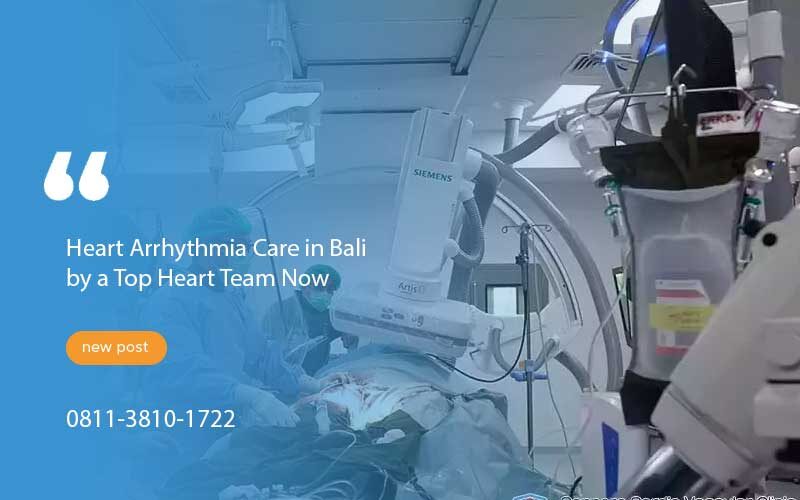
At SCVC Bali (Sapporo Cardio Vascular Clinic at Bali International Hospital), every case starts with a thorough evaluation. A dedicated Heart Team may use EP Study and 3D Cardiac Mapping to understand the heart’s rhythm. This helps doctors choose treatment based on your condition.
Whether you live in Bali, are an expat, or are visiting the island, this guide can help. Learn about common arrhythmias, warning signs, and available treatments. We also explain where you can get a proper heart evaluation in Bali without traveling overseas.
Is a Racing Heart Always Arrhythmia?
This is usually the first question on people’s minds, the answer: not always.
A racing or pounding heart can be triggered by things that are temporary in nature, such as:
- Intense physical activity
- Anxiety or stress
- Lack of sleep
- Excess caffeine or energy drinks
- Fever, anemia, or a thyroid hormone imbalance
In these cases, heart rate usually returns to normal once the trigger is resolved.
However, be cautious if palpitations occur repeatedly without a clear cause, especially when accompanied by shortness of breath, chest pain, dizziness, or fainting.
This calls for an evaluation by a cardiologist to determine whether a true arrhythmia is present.
Why Does the Heart Beat Irregularly?
- The heart has its own electrical system.
Every heartbeat starts from a natural pacemaker called the sinus node. It sends electrical signals through the heart, helping the atria and ventricles contract in the right order.
- Arrhythmia happens when the electrical system is disrupted.
The signals may travel too fast, too slow, or through the wrong pathway. This can cause the heart to beat irregularly.
- This disruption can cause different symptoms.
Common symptoms include palpitations, an irregular heartbeat, dizziness, and sometimes loss of consciousness.
The Most Common Types of Arrhythmia
Knowing the type of arrhythmia matters, because each one carries different risks and requires a different approach.
-
Atrial Fibrillation (AF)
The most common type, especially in people over 65. AF raises the risk of stroke because blood clots can form inside the atria.
-
Supraventricular Tachycardia (SVT)
Heart rate suddenly spikes due to an abnormal electrical pathway in the upper chambers. Good news: ablation success rates for SVT are very high.
-
Bradycardia
The heart rate is too slow, leaving the body short of blood flow. Symptoms include dizziness, fatigue, or fainting, and some patients require a pacemaker.
-
Ventricular Tachycardia & Ventricular Fibrillation
Arrhythmias originating from the lower chambers that can be life-threatening if not treated immediately.
Does any of this sound familiar?
The sooner an arrhythmia is identified, the more treatment options are available and the lower the risk of complications.
Consultation with a Doctor at SCVC Indonesia: 0811-3810-1722
How Do Doctors Decide on the Right Treatment?
Two questions patients ask most often: “Do I need to take medication for life?” and “Do I need ablation?”
The answer is different for everyone, because doctors need to weigh several factors together:
- The type of arrhythmia
- How frequent and severe the symptoms are
- Stroke risk and risk of sudden cardiac arrest
- Heart function and any underlying conditions
- Patient’s age
- Results of the electrophysiology evaluation
From here, a personalized treatment plan is developed, whether that’s lifestyle changes, medication, cardiac ablation, a pacemaker, or an ICD.
Arrhythmia Treatment Options | From the Simplest to the Most Definitive
Lifestyle Changes
For mild arrhythmia, these steps help reduce how often symptoms recur:
- Managing blood pressure, cholesterol, and blood sugar
- Quitting smoking
- Limiting alcohol and caffeine if they’re proven triggers
- Getting enough sleep and managing stress
- Maintaining an ideal body weight
- Regular exercise as advised by your doctor
These steps won’t always eliminate arrhythmia entirely, but they help control the factors that make it worse.
Medication
Medication is often the first step to control heart rate, restore a normal rhythm, reduce recurrence, or lower stroke risk in AF patients. Because some antiarrhythmic drugs carry side effects and interactions, they must be used under a cardiologist’s supervision.
Catheter Ablation | Treating the Source of the Problem
Although the treatment only relieves symptoms, catheter ablation works by deactivating the small area of tissue causing the electrical disturbance. This can provide better long-term results for many patients.
This procedure is performed using a catheter inserted through a blood vessel, without the need for open-heart surgery.
For SVT, the success rate is very high. As for AF, ablation can also be effective in patients who meet the appropriate indication criteria.
Pulsed Field Ablation (PFA) | The Latest Generation of Ablation Therapy
Unlike conventional ablation, which uses heat (radiofrequency) or cold (cryoablation), PFA uses a pulsed electric field to more selectively deactivate the heart cells causing arrhythmias. This has the potential to reduce injury to surrounding structures such as the esophagus and the phrenic nerve.
Not all patients require PFA; your doctor will determine the most appropriate method based on the type of arrhythmia, heart anatomy, and a comprehensive evaluation.
Pacemaker | A Solution for a Heartbeat That Is Too Slow
Picture a home’s electrical system that keeps cutting out, the lights dim or go dark. That’s essentially what happens with bradycardia: the heart rate is too slow, so the body doesn’t get enough blood flow.
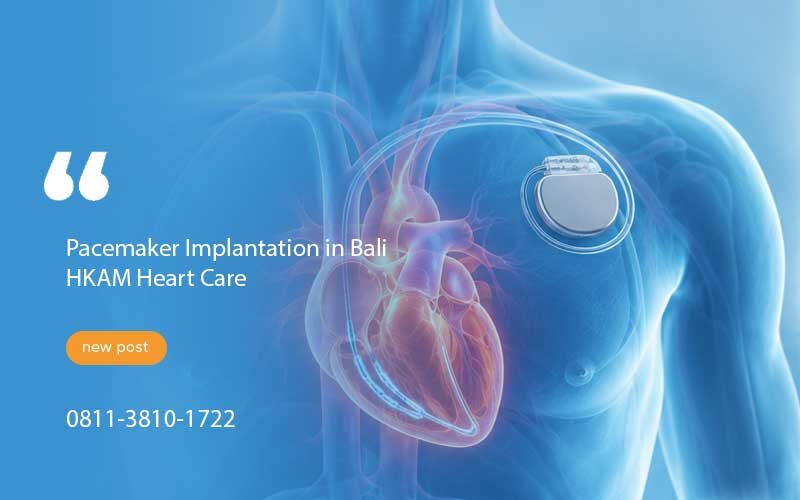
A pacemaker is implanted under the skin and delivers electrical impulses when the heart rate slows down. It’s generally considered for symptomatic bradycardia patients experiencing dizziness, fatigue, or fainting.
ICD | A “Safety Guardian” for Dangerous Arrhythmias
For fast, life-threatening rhythm disturbances (ventricular tachycardia/fibrillation), doctors may consider an Implantable Cardioverter Defibrillator (ICD).
This device continuously monitors heart rhythm and automatically delivers therapy when it detects a dangerous disturbance.
Why Arrhythmia Treatment Needs a Heart Team
Arrhythmia is often linked to coronary artery disease, valve disorders, heart failure, or other structural heart conditions.
That’s why at SCVC Bali, every patient is evaluated by a Heart Team consisting of:
- A cardiologist specializing in arrhythmia
- An interventional cardiologist
- A cardiovascular imaging specialist
- A cardiac surgeon
- An anesthesiologist
- A cardiac rehabilitation team
This team-based approach ensures the therapy you receive truly fits your needs, not a one-size-fits-all solution.
Heart Arrhythmia Care in Bali
Many people assume complex heart procedures mean flying to Jakarta, Singapore, or Australia. In Bali, that’s no longer necessary.
SCVC Bali, based at Bali International Hospital, brings together EP Study, 3D Cardiac Mapping, and Pulsed Field Ablation in one facility on the island. Supported by a full Heart Team available for both Indonesian patients and the island’s large expat and international community.
This means faster diagnosis, treatment without long travel, and continuity of care close to home, whether you’re based in Denpasar, Canggu, Ubud, Sanur, or elsewhere in Bali.
When to See a Doctor or Go to the ER Immediately
Seek medical help right away if you experience:
- Palpitations accompanied by chest pain
- Fainting or nearly losing consciousness
- Sudden, severe shortness of breath
- A very fast or very slow heart rate with dizziness and weakness
- Prolonged palpitations that don’t improve
Early detection and treatment help prevent more serious complications, including stroke and sudden cardiac arrest.
Experiencing any of the symptoms above?
Don’t wait until it gets worse, the SCVC Bali Heart Team is ready to evaluate your condition right away.
Contact via WhatsApp: (SCVC) : 0811-3810-1722
Call Centre (BIH) : 1500 238
FAQ
Does a racing heart always mean arrhythmia?
No, it can also be triggered by stress, excess caffeine, lack of sleep, anemia, or a thyroid disorder. A doctor’s evaluation is still needed to confirm the cause.
Does every arrhythmia require ablation?
No, some patients can be managed with lifestyle changes or medication alone. Ablation is only considered when its benefits outweigh the risks for that specific type of arrhythmia and patient condition.
Is ablation the same as heart surgery?
No, ablation is performed through a catheter inserted via a blood vessel, without open-heart surgery.
Is PFA better than conventional ablation?
PFA is a newer technology with different characteristics. The choice of method still depends on each patient’s individual condition.
Are a pacemaker and an ICD the same thing?
No, a pacemaker treats a heart rate that’s too slow, while an ICD detects and treats rhythm disturbances that could be life-threatening.
Can I get heart arrhythmia care in Bali without traveling overseas?
Yes, SCVC Bali at Bali International Hospital offers EP Study, 3D Cardiac Mapping, and Pulsed Field Ablation on the island, so most patients no longer need to travel abroad for advanced arrhythmia care.
Read More: TAVI Procedure in Bali
Don’t Wait | Get Your Heart Rhythm Evaluated Today
f you frequently experience palpitations, irregular heartbeat, dizziness, fatigue, or unexplained fainting, don’t ignore the symptoms.
At SCVC Bali, our Heart Team evaluates your condition to determine the right treatment. Options may include medication, cardiac ablation, a pacemaker, or an ICD, supported by EP Study, 3D Cardiac Mapping, and PFA technology.
Schedule a consultation with dr. I Made Putra Swi Antara, Sp.JP(K), FIHA, Heart Arrhythmia Care Specialists in Bali.
Contact Us via WhatsApp Now: 0811-3810-1722