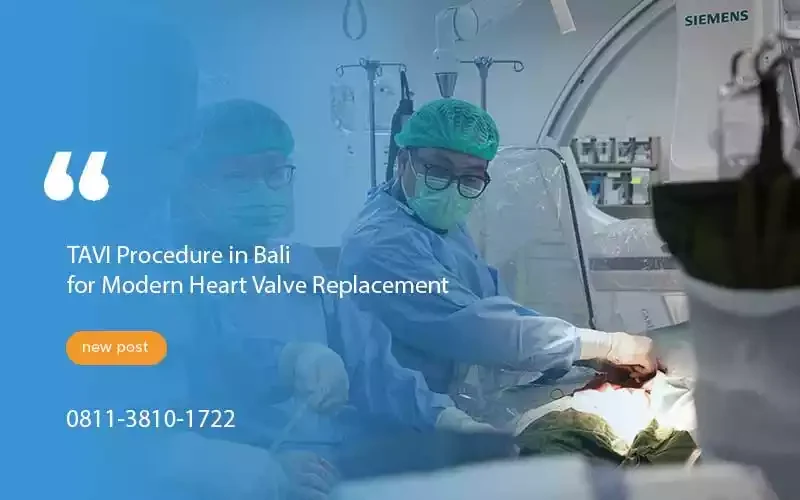
TAVI Procedure in Bali for Modern Heart Valve Replacement
TAVI Procedure in Bali | Heart Valve Replacement Without Open-Chest Surgery
TAVI Procedure in Bali is a modern treatment option for patients with severe aortic valve stenosis who may require aortic valve replacement without conventional open-heart surgery. The procedure uses a catheter to deliver and implant a new artificial valve, offering a minimally invasive approach for suitable patients.
Symptoms such as shortness of breath when walking, easy fatigue, chest discomfort, dizziness, or fainting should not always be attributed to aging. These symptoms can be associated with aortic valve stenosis and require proper cardiac evaluation.
At SCVC Bali, TAVI treatment is supported by modern technology and a multidisciplinary Heart Team to determine the most appropriate treatment based on each patient’s condition.
What Is Aortic Valve Stenosis?
The aortic valve regulates blood flow from the heart to the rest of the body. Under normal conditions, the valve opens when the heart pumps and closes again to prevent blood from flowing backward.
With age or certain medical conditions, the valve can become thickened and calcified. The valve opening becomes increasingly narrow, forcing the heart to pump harder. This condition is known as aortic valve stenosis.
Why Does the Aortic Valve Become Narrow?
Several factors can increase the risk of aortic valve stenosis, including:
- Degenerative changes associated with aging
- Congenital valve abnormalities, such as a bicuspid aortic valve
- A history of rheumatic fever
- Chronic kidney disease
- Certain metabolic disorders
- Genetic factors
Aortic Valve Stenosis Symptoms to Watch For
In its early stages, aortic valve stenosis may develop without noticeable symptoms. However, as the narrowing becomes more severe, patients may experience:
- Easy fatigue
- Shortness of breath
- Chest pain or pressure
- Dizziness
- Near-fainting or fainting
- Heart palpitations
- Swelling in the legs
Symptoms that become more frequent or severe should not be ignored. A cardiac evaluation is important to identify the underlying cause and determine the appropriate treatment.
Why Should Aortic Valve Stenosis Not Be Ignored?
Progressive narrowing of the valve can increase the workload on the heart. Without appropriate treatment, the condition may lead to:
-
Heart Failure
A heart that continually works harder may gradually lose its pumping function, resulting in shortness of breath, fatigue, and fluid retention.
-
Impaired Blood Flow
A narrowed valve can reduce the amount of blood pumped throughout the body and limit a patient’s ability to perform daily activities.
-
Fainting During Activity
In severe cases, the heart may not be able to increase blood flow sufficiently to meet the body’s demands during physical activity.
-
Risk of Serious Complications
Severe aortic valve stenosis accompanied by symptoms requires proper medical evaluation to determine the appropriate timing and treatment approach.
When Does the Aortic Valve Need to Be Replaced?
Not every patient requires immediate intervention. In mild to moderate cases, doctors may recommend regular monitoring through clinical examinations and echocardiography.
However, when severe aortic stenosis causes symptoms, valve replacement may become an appropriate treatment option.
SAVR and TAVI
There are currently two major approaches to aortic valve replacement:
- Surgical Aortic Valve Replacement (SAVR), performed through open-heart surgery.
- Transcatheter Aortic Valve Implantation (TAVI), performed using a catheter without extensively opening the chest.
The choice between these approaches depends on several factors, including valve condition, patient anatomy, age, heart function, other medical conditions, and procedural risk.
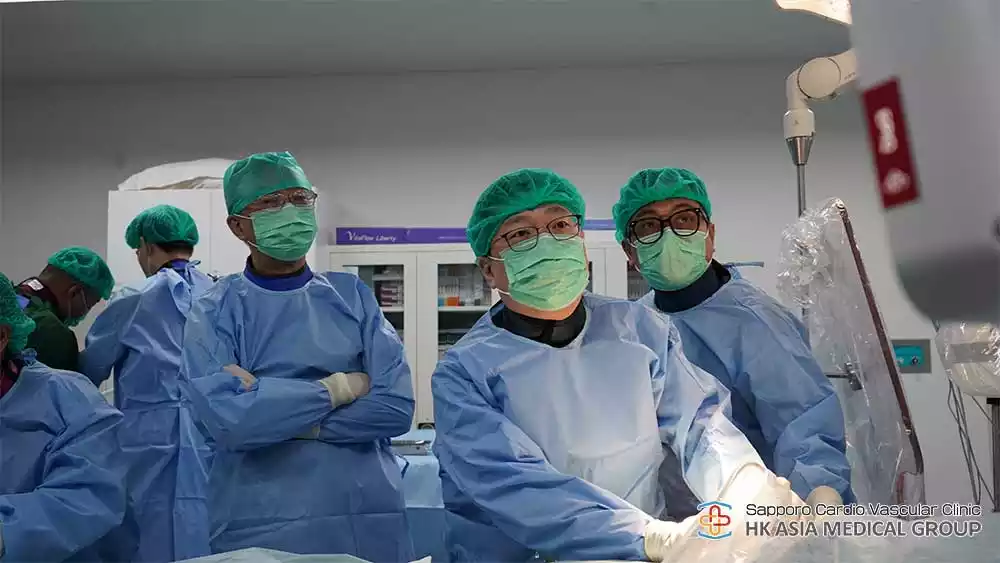
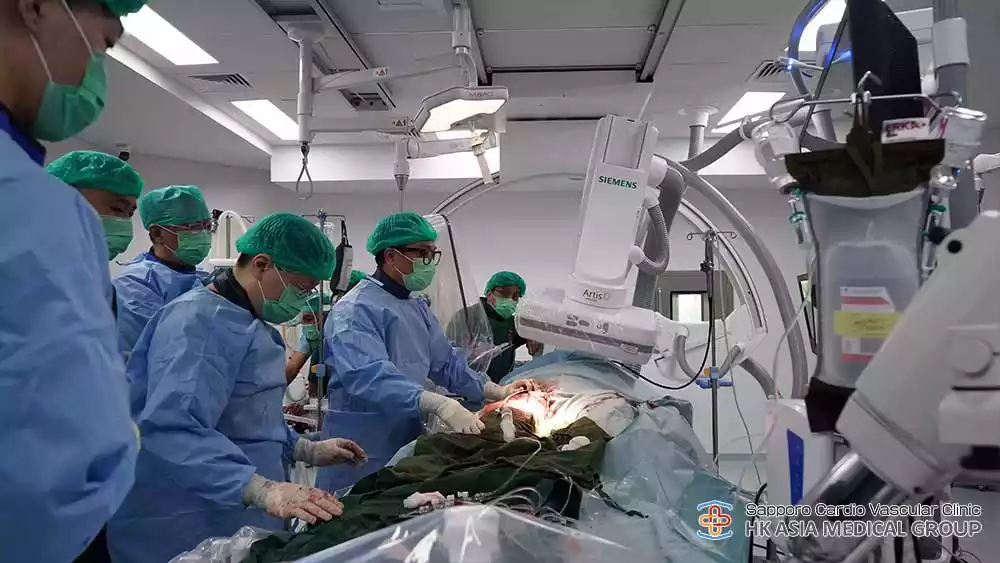
TAVI Procedure in Bali Experience and Portfolio
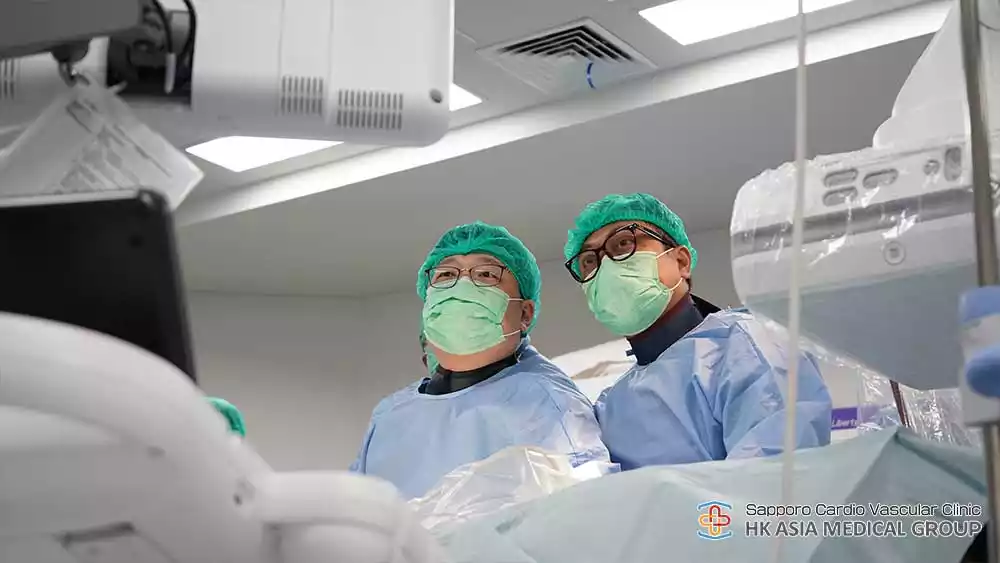
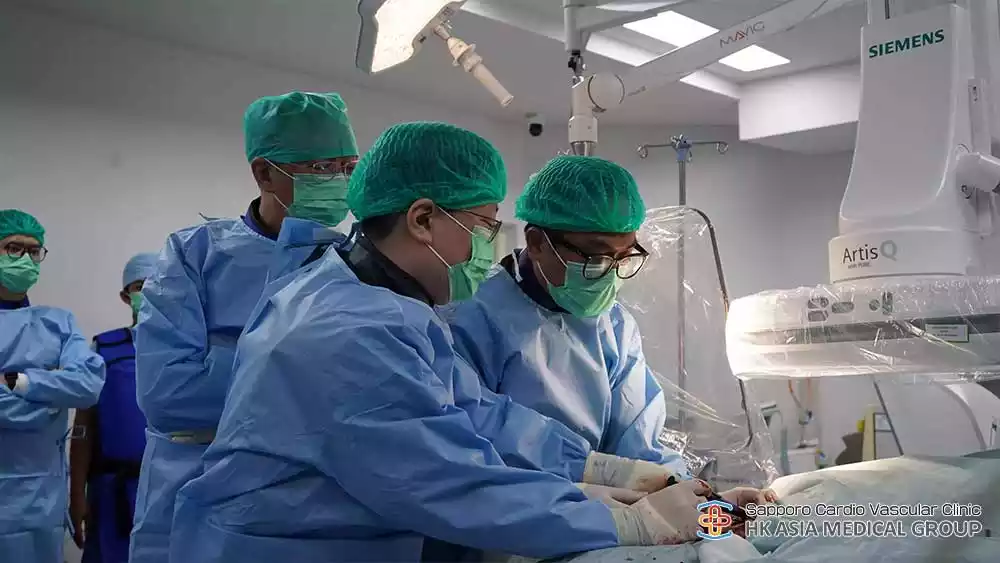
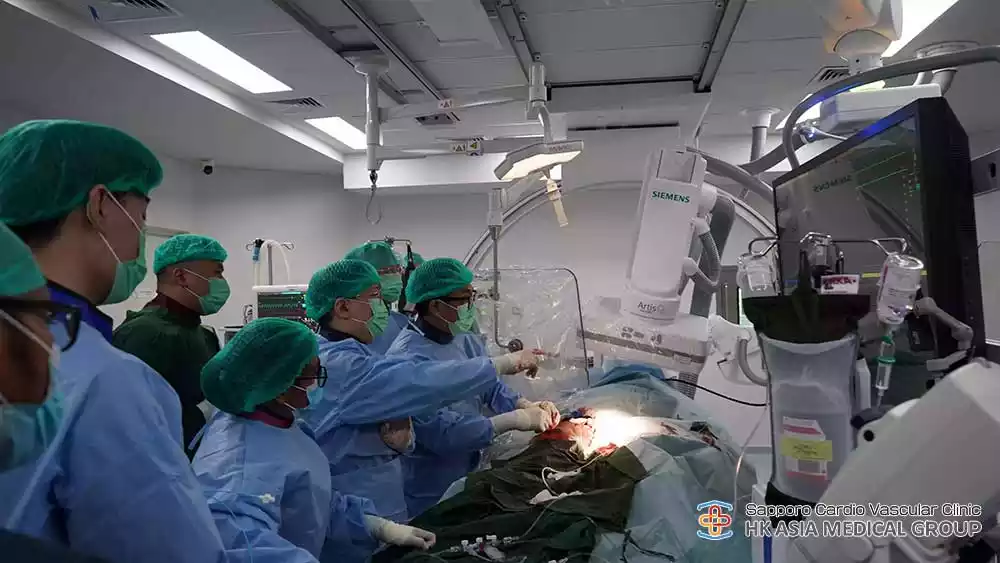
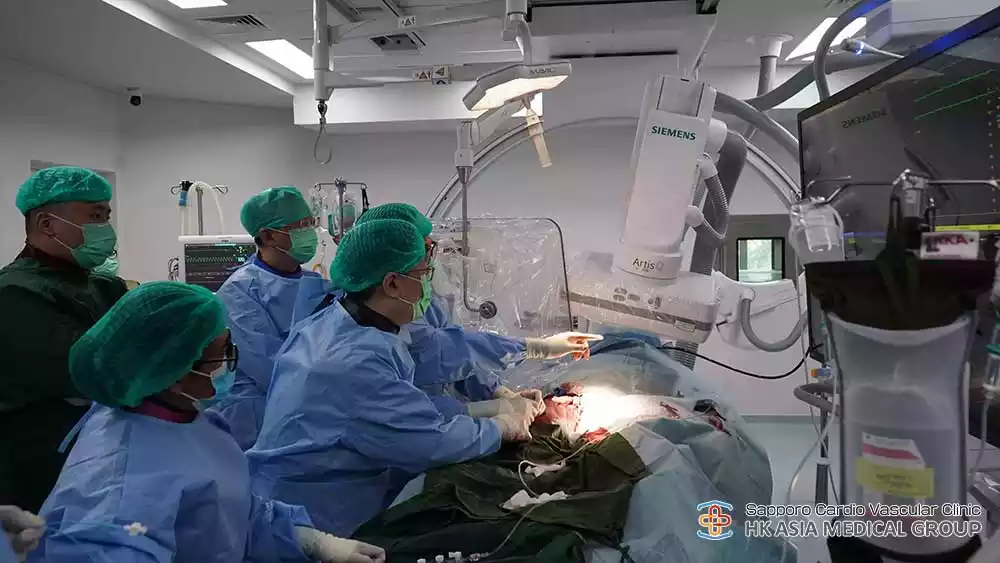
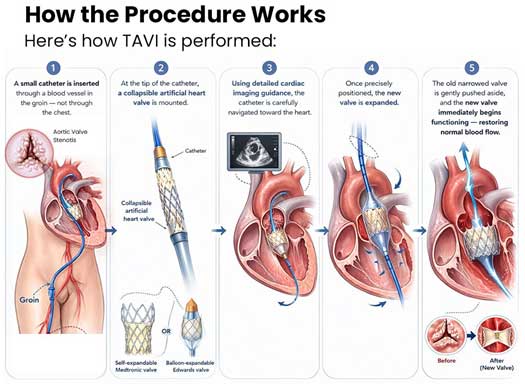
How Is the TAVI Procedure Performed?
Before the procedure, the patient undergoes a comprehensive evaluation to determine whether TAVI is an appropriate option. Tests may include echocardiography, cardiac CT scans, laboratory tests, and assessment by the Heart Team.
For patients who meet the appropriate medical criteria, TAVI Procedure in Bali can provide a minimally invasive approach to aortic valve replacement. Before proceeding, the medical team conducts a detailed assessment to ensure the procedure is suitable for the patient’s condition.
Steps of the TAVI Procedure
- Access Through a Blood Vessel
A catheter is generally inserted through a blood vessel in the groin and guided toward the heart.
- Positioning the New Valve
The artificial valve is delivered through the catheter to the location of the narrowed aortic valve. Imaging technology helps the medical team position the valve accurately.
- Deploying the New Valve
Once the valve is in the appropriate position, it is deployed to take over the function of the diseased valve.
- Evaluating the Result
The medical team evaluates the function of the new valve and blood flow before completing the procedure.
Recovery time varies from patient to patient depending on their clinical condition and the outcome of the procedure.
Have questions about TAVI or aortic valve treatment?
Contact our admin for consultation and further information: 0811-3810-1722
Why Is TAVI Considered a Modern Treatment Option?
TAVI provides a minimally invasive approach for patients who meet the appropriate criteria.
-
Minimally Invasive Procedure
TAVI is performed using a catheter and does not require extensive opening of the chest.
-
Potentially Faster Recovery
For appropriate patients, the minimally invasive approach may support a faster recovery compared with conventional surgical procedures.
-
An Option for Selected Patients
TAVI may be considered based on the patient’s risk level, anatomy, other medical conditions, and comprehensive medical evaluation.
-
Potential Improvement in Quality of Life
When the new valve functions properly, some patients may experience improvement in symptoms and their ability to perform daily activities.
Is Every Patient Suitable for TAVI?
Not every patient with aortic valve disease is automatically a candidate for TAVI.
Doctors may consider:
- Severity of the stenosis
- Patient’s age
- Valve and blood vessel anatomy
- Heart function
- Other medical conditions
- Surgical risk
- CT scan and echocardiography results
For some patients, conventional open-heart valve replacement may remain the more appropriate option. Therefore, treatment decisions should be based on an individualized medical evaluation.
The decision to undergo TAVI Procedure in Bali should be based on a comprehensive assessment rather than symptoms alone. The Heart Team reviews the patient’s test results, anatomy, overall health, and procedural risks before recommending the most appropriate treatment.
Heart Team: Determining the Best Treatment for Each Patient
Heart valve disease requires comprehensive evaluation and careful treatment planning.
A Heart Team may include interventional cardiologists, cardiac surgeons, cardiac imaging specialists, anesthesiologists, intensivists, and other healthcare professionals according to the patient’s needs.
The goal is not simply to select a particular technology, but to determine the treatment approach that is most appropriate for the patient’s overall medical condition.
At SCVC Bali, this approach is supported by collaboration among specialists from Indonesia, Japan, Hong Kong, and China in the management of various cardiovascular conditions.
Why Choose SCVC Bali for TAVI?
The success of a TAVI procedure depends not only on the technology used. Pre-procedure evaluation, medical team experience, treatment planning, and post-procedure monitoring also play important roles.
TAVI services at SCVC Bali include:
- Heart Team approach
- Evaluation using echocardiography and CT scans
- Valve technology selected according to clinical indications
- Multidisciplinary collaboration
- Support from international specialists
- Rehabilitation and post-procedure follow-up
Baca juga: Chest Pain Clinic in Bali
Frequently Asked Questions About TAVI
Is TAVI the Same as Open-Heart Surgery?
No. TAVI is performed through a catheter without extensively opening the chest, while conventional valve replacement is performed through surgery.
How Long Does a TAVI Procedure Take?
The duration of the procedure can vary depending on the patient’s condition and the complexity of the case.
Does the Patient Need General Anesthesia?
The type of anesthesia is determined according to the patient’s condition and the medical team’s assessment.
How Long Does the Patient Need to Stay in the Hospital?
The length of hospitalization depends on the patient’s clinical condition and evaluation results following the procedure.
Can an Artificial Valve Last for a Long Time?
The valves used in TAVI are designed to provide long-term function. Regular monitoring and follow-up are still important according to the doctor’s recommendations.
Baca juga: Coronary Stent Placement in Bali
When Should You Consult a Doctor?
A cardiac evaluation is recommended if you experience:
- Increasing shortness of breath
- Easy fatigue during physical activity
- Chest pain
- Dizziness or fainting
- A history of aortic valve stenosis
Evaluation by a doctor and Heart Team can help determine whether the patient needs monitoring, medication, surgical valve replacement, or a TAVI procedure.
With modern technology and a multidisciplinary approach, SCVC Bali provides evaluation and treatment services for heart valve disease tailored to each patient’s individual condition.
Need more information about TAVI evaluation and treatment?
Contact the SCVC Bali admin to discuss your condition and learn more about TAVI Procedure in Bali.